
Aluminum Containers: Durable and Efficient Packaging Solutions
What are Aluminum Containers?
Aluminum containers are an alternative to tin plate cans for packing food products and beverages. In recent years, several food products have been commercially packed in aluminum cans. Aluminum and its alloys are being used widely in a variety of forms in the field of packaging. Aluminum foil is also used as a laminate along with plastic as a flexible packaging material.
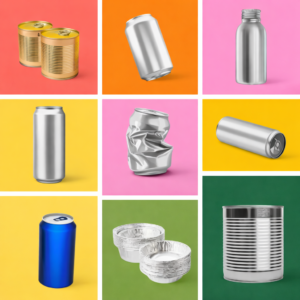
Aluminum Containers Used For
- Food Products, Fruits & Vegetables
- Pineapple (chunks)
- Peach halves
- Tomatoes
- Green bean
- Peas
- Beets
- Peas in tomato sauces
- Apricot halves
- Beans
- Spinach
- Fruit & fruit juices
- Asparagus
2. Meat Products
3. Alcoholic Drinks
4. Milk Products
Advantages of Aluminium Container
- Aluminum cans are lightweight, which is an economic advantage.
- It is versatile in terms of performance, aesthetic appeal & design.
- From the consumer’s point of view, aluminum can has a modern, clean, and bright image.
- Easy metal to fabricate in can be manufactured, aluminum accommodates itself to different types of equipment. It can be shallow, deep drawn, soft-welded, or seam-welded.
- Easy open ends with apertures can be prepared for aluminum.
- Corrosion of the can does not produce coloured products.
- These cans are non-toxic, odourless, and do not have a metallic taste.
- Impervious to moisture and gases necessary for food packaging.
- Essentially pinhole-free.
Disadvantages of Aluminum Containers
- Empty aluminum cans cannot be supplied in a flattened condition, and hence, the transportation cost is high.
- Aluminum is softer than a tin plate and must be handled with care during packing and transportation
- Special precautions are necessary during sterilization and cooling.
- Aluminum has a greater tendency to bleach some of the highly pigmented products.
- Aluminum cans need beading if they are meant for processed food products.
Types of Aluminum Containers
Aluminum containers used for packing food products are fabricated in following forms
- Conventional three pieces can
- Drawn cans (shallow or deep drawn) used in the dairy industry & fish products.
- Impact extruded cans (Collapsible tubes/ Aerosol containers)
- Drawn and redrawn can (used for carbonated drinks, beverages, and beers)
F.A.Q Aluminum Container
What types of products can be packed in aluminum packaging?
Aluminum packaging is used for beverages, food, pharmaceuticals, cosmetics, and industrial products due to its strong protective properties.
Can you packaging be used to transport food stuffs?
Yes, packaging can be used to transport foodstuffs safely, as it protects them from contamination, moisture, and damage during handling and transit.
What temperature can you packaging and their seal withstand?
Packaging and its seals can typically withstand a wide temperature range, from freezing conditions to around 120–200°C, depending on the material and sealing type.
What are you recommendation for storage of your aluminum packaging?
Aluminum packaging should be stored in a clean, dry environment away from moisture, direct sunlight, and extreme temperatures to maintain quality.
Why use aluminum packaging?
Aluminum packaging is used because it is lightweight, durable, and provides excellent protection against moisture, light, and contamination.
What are the qualities of aluminum used for your packaging?
Aluminum used for packaging is lightweight, corrosion-resistant, durable, non-toxic, and provides excellent barrier protection against light, moisture, and air.
What materials are used in the manufacture of your sealing system?
Sealing systems are typically manufactured using stainless steel, aluminum, high-grade plastics, and durable sealing components such as rubber or silicone.