
Corrugated Box for Strong and Reliable Packaging Solutions
What is a Corrugated Box?
Corrugated box design involves balancing machine design factors for corrugated fiberboard boxes with functional, physical, processing, and end-use requirements. Specifically, packaging engineers work to meet the performance requirements of a box while simultaneously controlling total costs throughout the system.
Furthermore, manufacturers create corrugated boxes from corrugated paper boards that contain rows of air columns. Both the corrugated medium and linerboard consist of Kraft containerboard, a paperboard material usually over 0.01 inches (0.25mm) thick. In addition, experts call corrugated fiberboard “fiberboard,” although the term “cardboard” can describe any heavy paper pulp-based board.
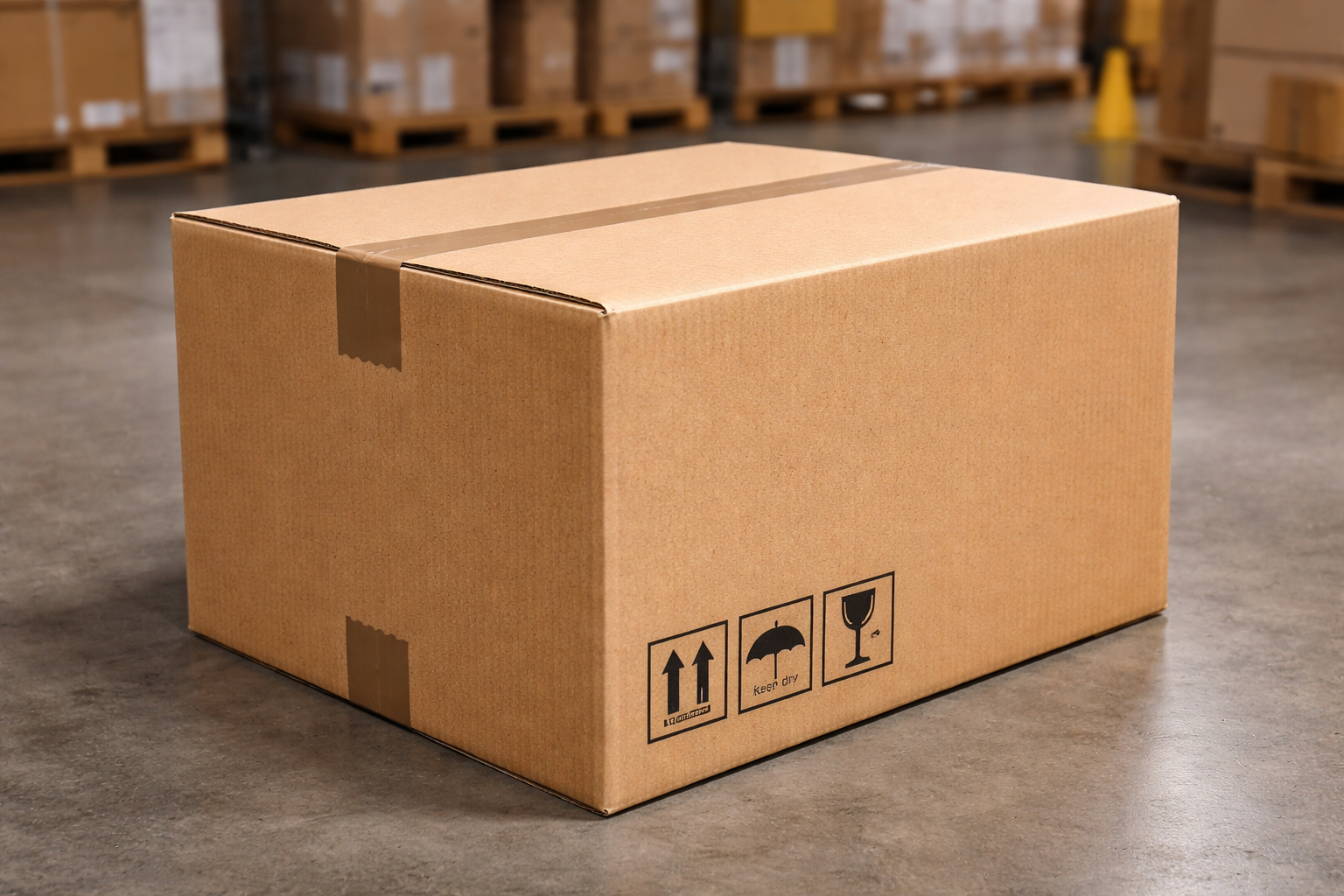
Corrugated Box Used For
Corrugated box design involves balancing machine design factors for corrugated fiberboard boxes with functional, physical, processing, and end-use requirements. Packaging engineers work to meet the performance requirements of a box while controlling total costs throughout the system.
Manufacturers create corrugated boxes from corrugated paper boards that contain rows of air columns. Both the corrugated medium and linerboard consist of Kraft containerboard, a paperboard material usually over 0.01 inches (0.25mm) thick. Experts call corrugated fiberboard “fiberboard,” although the term “cardboard” can describe any heavy paper pulp-based board.
Key Benefits of Corrugated Packaging
Its high-tech construction ensures the material can carry a wide range of weights, protects against moisture, and provides a sustainable packaging solution. Specifically, these customizable and very cost-effective options represent the least expensive cartons available.
Reliable Protection: Corrugated boxes keep items safe during long-distance transportation, shipping, and handling.
Moisture Resistance: The material keeps moisture away from the products, which is especially important for food products that must withstand long shipping times.
Sustainability: You can easily recycle these materials after use.
High-Tech Design and Manufacturing
Manufacturers make corrugated cardboard from arched paper known as fluting. This fairly high-tech solution utilizes advanced computer design and manufacturing systems. These designs make corrugated cardboard the best choice for many packaging solutions.
Protective Strength: Lightweight and high-strength flutes act as protective liners for your goods.
Added Flexibility: The material offers additional benefits; for instance, Air Seal Containers provides custom corrugated boxes upon request.
Operational Efficiency: Streamlined corrugated boxes fit seamlessly into any packaging operations.
Corrugated Box Types and Construction
- Half-slotted type: These corrugated boxes basically consist of one piece with a glued seam. These are open-faced.
Slotted-type boxes
Rigid type boxes
Single face: A single sheet of linerboard and a corrugated medium bond together with glue.
Double face: A corrugated medium sits between two sheets of linerboard (one on each side) glued together.
Triple-wall corrugated boxes: These are the heaviest type and can handle significant movement and weight, ranging from 240 to 300.
Die-cut custom: Manufacturers produce these boxes to your specific requirements in all shapes and colors, matching the specific size, shape, or fragility of your goods.
Corrugated trays: These corrugated containers function as small rectangular boxes that feature no flaps.
FAQs
Is corrugated the best material for boxes?
Corrugated boxes are among the best materials for packaging due to their strength, lightweight nature, and cost-effectiveness, though the best choice depends on the product and application.
Can corrugated boxes be recycled?
Yes, corrugated boxes are fully recyclable and can be reused to produce new packaging materials.
How should I provide the dimensions?
Provide dimensions in length × width × height (L × W × H), typically in millimeters or inches, based on internal box size.
When can I use a corrugated box versus a crate?
Use a corrugated box for lightweight to medium products and standard shipping, and choose a crate for heavy, fragile, or high-value items requiring extra strength and protection.