
Seaming Machine: A Practical Guide to Airtight Can Sealing
Introduction
A seaming machine is industrial equipment used to seal lids onto metal cans by mechanically interlocking the edges of the lid and the can body. The result is what the industry calls a double seam — a hermetic closure that keeps contents sealed against air, moisture, and contamination.
The process is deceptively simple in principle but highly precise in practice. Even a minor deviation in roller pressure or timing can compromise the seal and render an entire batch unsafe or unsaleable.
What is a Seaming Machine?
A closing machine which places a pre-formed lid on to the mouth of a can before rolling the edges of the lid and cantogether to form a seal.
This process, known as double seaming, creates a hermetic seal that prevents leakage, contamination, and spoilage.
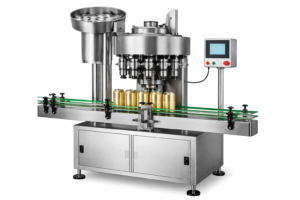
How the Double Seaming Process Works
The sequence follows the same basic steps across most machines:
- The filled can is positioned beneath the seaming head and held in place by a chuck that matches the can diameter
- A lid is placed on top of the can opening
- The first operation roller curls the lid flange and the can flange together, initiating the interlock
- The second operation roller compresses and tightens the fold, creating the finished hermetic seal
- The can is discharged and moves to the next stage of the line
The entire operation takes a fraction of a second per can. On high-speed lines, a single unit can process several hundred cans per minute.
Where These Machines Are Used
- Canned food — vegetables, fruits, sauces, and dairy products where a long unrefrigerated shelf life is non-negotiable
- Beverage cans — carbonated drinks, juices, and beer, where internal pressure makes seal integrity especially important
- Pharmaceutical containers — where sterility and tamper evidence are regulatory requirements
- Industrial products — paints, lubricants, and adhesives packaged in metal tins
- Pet food — relies on hermetic sealing to preserve palatability and nutritional value over extended storage
Limitations
Before investing, consider these limitations:
Requires precise setup and calibration
Not suitable for non-rigid containers
Maintenance is crucial for consistent sealing quality
Improper seaming can lead to leakage or spoilage
Types of Can Seaming Equipment
1.Manual and Semi-Automatic Units
The operator places containers and lids by hand, and the machine handles the seaming operation. Practical for small-batch production, craft beverage producers, or facilities running multiple can sizes without the volume to justify full automation. Lower capital cost, but limited throughput.
2. Automatic Seamers
Fully integrated into production lines with automatic can feeding, lid placement, and discharge. Designed for continuous, high-speed operation with minimal manual involvement. The standard choice for any facility producing at scale.
3. Vacuum Seamers
A variant that evacuates air from the headspace before sealing. This extends shelf life further and is commonly specified for coffee grounds, powdered products, and certain pharmaceutical applications where oxidation is a concern.
Things to Consider Before Buying
These are precise mechanical systems, and condition matters significantly when evaluating pre-owned equipment:
- Roller wear is the first thing to check. Worn first or second operation rollers produce inconsistent seams even if everything else looks fine.
- Chuck condition affects how the can is held during seaming. A damaged or incorrect chuck causes movement that compromises seal quality.
- Can compatibility is not universal. Confirm the machine is configured for your specific can diameter and height, or that the right tooling is available.
- Calibration history matters. Ask whether the unit has been regularly checked against seam teardown measurements.
- Spare parts availability in your region is worth confirming before purchase, especially for older European or Asian-manufactured units.
Key Specs to Evaluate
| Factor | What to Check |
|---|---|
| Roller condition | First and second operation wear |
| Chuck size | Matches your can diameter |
| Throughput | Cans per minute at rated speed |
| Can size range | Diameter and height compatibility |
| Automation level | Semi-automatic or fully automatic |
| Maintenance records | Service history and last calibration date |
| Spare parts | Regional availability of wear components |
| Power supply | Voltage and phase requirements |
| Seller credibility | Verified track record with references |
Final Word
For any operation sealing product into metal cans, the integrity of the seal is everything. A poorly calibrated or worn unit will produce defects that may not be visible externally but will cause failures in the field. Whether buying new or pre-owned, invest time in verifying mechanical condition and seam quality before committing.
Want to Buy a Machine?
Want to Sell Your Machine?
FAQs
What is a seaming machine used for?
Which industries use seaming machines?
What are the types of seaming machines?
Manual, semi-automatic, automatic, and rotary seaming machines.