pawanarang

Multihead Weigher

Multihead Weigher

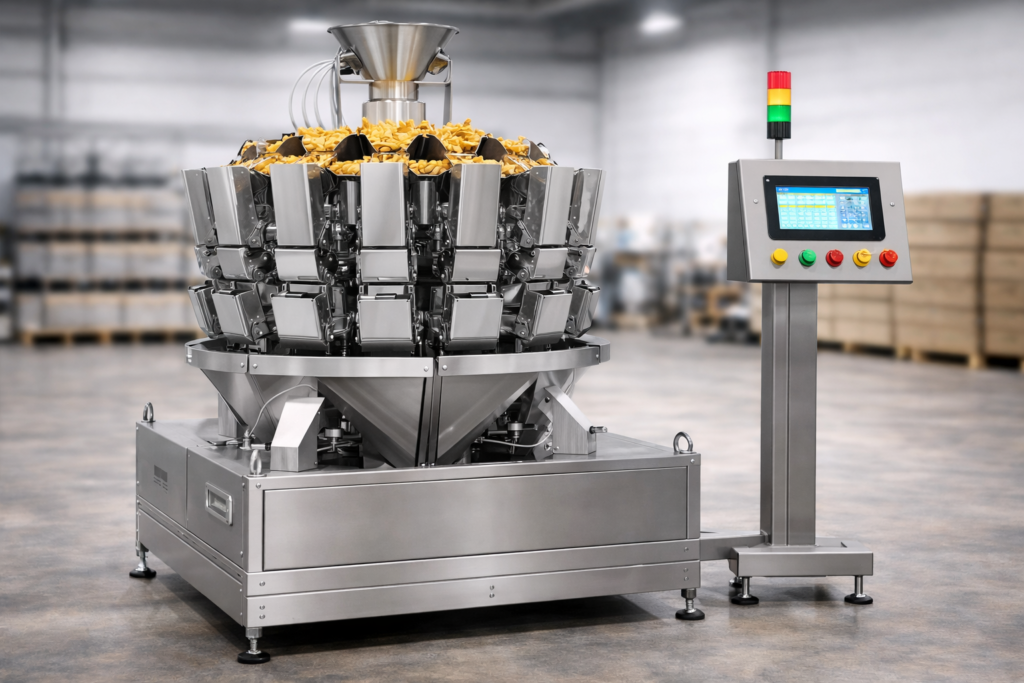
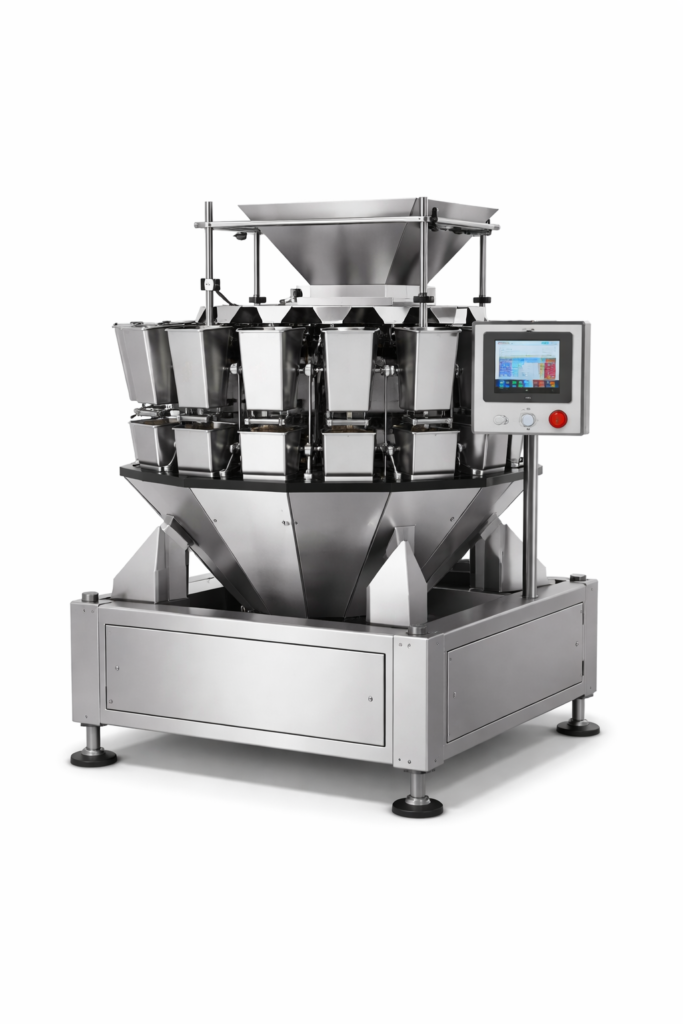
Multihead Weigher: The Formula for Zero-Waste Packaging Introduction If you’ve ever wondered how a bag of potato chips hits exactly 50g every single time at a speed of 120 bags per minute, you’re looking at the work of a Selective Combination Weighing Machine. Commonly known as a Multihead Weigher, this is the “brain” of the modern packaging line. It doesn’t just weigh; it calculates. What is Multihead Weigher? A Multihead Weigher with multiple weighing units, which computes an appropriate combination of loads to achieve the predetermined mass and discharges them together as a fill. At its core, this machine is a high-speed math engine. Instead of trying to dump exactly 500g into one bucket, it distributes the product across 10, 14, or even 24 small “heads” (weigh hoppers). The computer then looks at the weights in all those hoppers—say, 45g in one, 52g in another, and 48g in a third—and instantly picks the perfect combination that equals your target weight. The Result: You get pinpoint accuracy (often within 0.1g to 0.5g) at speeds that manual weighing can’t touch. How the “Brain” Works in Milliseconds Distribution: Product drops onto a top cone and is vibrated out to individual feed buckets. The Weigh-In: Feed buckets drop the product into weigh hoppers equipped with ultra-precise load cells. The Math: The PLC (Programmable Logic Controller) scans the weights in all hoppers. The Selection: It identifies, for example, that hoppers #3, #7, and #12 combined equal exactly 100.2g. The Dump: Only those specific hoppers open, discharging the product into the bagging machine below. Where It Wins (And Where It Doesn’t) The Power Players: Snacks & Crisps: Essential for lightweight, high-volume items like chips or popcorn. Sticky or Frozen Foods: Special “dimpled” metal surfaces prevent frozen nuggets or gummies from sticking. Fragile Goods: Designed with shallow angles to prevent cookies or crackers from shattering. The Trade-offs: Footprint: These machines are vertical giants; you need significant ceiling height. Cleaning: With 14+ hoppers to wash, changeovers can take longer than simpler systems. Complexity: You need an operator who understands the interface, not just someone who can flip a switch. Sorting the Types of Multihead Weigher: Which One Do You Need? Type How It Differs Best For… Multihead (Standard) 10 to 24 heads arranged in a circle. High-speed snacks, candy, and nuts. Linear Weigher Heads arranged in a row; feeds by gravity/vibration. Heavier, free-flowing items (Sugar, Rice) where “good enough” accuracy works. Rotary Combination Advanced, continuous motion systems. Ultra-high-volume industrial plants (200+ PPM). The “Pro” Buying Guide for Pre-Owned Multihead Weigher Buying used can save you 40-60% off the sticker price, but only if you check these four “Red Flags”: The “Dimple” Factor: If you are packing sticky items (dried fruit, meat), ensure the hoppers have a dimpled (embossed) surface. Smooth stainless steel will cause your product to “slug” and ruin your accuracy. Load Cell Health: These are the “nervous system” of the machine. Ask the seller for a “repeatability test.” If the machine gives different readings for the same weight five times in a row, the load cells are exhausted. Springs and Hinges: On used machines, the hopper gates are the first things to fail. Check for snappy movement. If they’re sluggish, you’ll deal with “double-dumping” errors. IP Rating: If you’re in frozen food or meat, the machine must be wash-down rated (IP65 or higher). A used machine with rusty electronics is a liability. Ready to Optimize Your Throughput? At SurplusPack, we bridge the gap between high-end technology and sensible budgets. Whether you’re looking to offload a 10-head weigher or scale up to a 20-head system, we connect you with verified equipment that’s ready to run. Want to Buy a Machine? submit your requirement Want to Sell Your Machine? List your equipment FAQs 1. What is a Multihead Weigher machine? A combination weighing machine is a system that uses multiple weigh heads to achieve precise and efficient product weighing for packaging. 2. Which type of weigher is best for high-speed production? Multihead and rotary combination weighers are best suited for high-speed and large-scale production due to their advanced design and accuracy. 3. What products can be used with multihead weigher? They are commonly used for snacks, dry foods, granules, nuts, frozen foods, and other free-flowing products. 4. Is a linear weigher suitable for all products? No, linear weighers are best for simple and uniform products, while complex or sticky items require multihead systems. 5. Why is accuracy important in weighing machines? Accuracy ensures consistent product quantity, reduces wastage, and improves overall packaging efficiency. A combination weighing machine is a system that uses multiple weigh heads to achieve precise and efficient product weighing for packaging. Multihead and rotary combination weighers are best suited for high-speed and large-scale production due to their advanced design and accuracy. They are commonly used for snacks, dry foods, granules, nuts, frozen foods, and other free-flowing products. No, linear weighers are best for simple and uniform products, while complex or sticky items require multihead systems. Accuracy ensures consistent product quantity, reduces wastage, and improves overall packaging efficiency.
Multihead Weigher Read More »

Net Weighing Machine

Net Weighing Machine

Mastering the Fill: The Ultimate Guide to Net Weighing Machines In the world of packaging, “close enough” is a recipe for lost profits. Whether you’re bagging premium basmati rice or high-grade chemical resins, every gram over the limit is “product giveaway”money flying out of your pocket. That’s where the Net Weighing Machine comes in. Unlike volumetric fillers that guess based on space, these machines are the precision marksmen of the packaging world. What Actually Is a Net Weighing Machine? Think of it as a “weigh-before-you-pay” system. Instead of filling a container and weighing it afterward (Gross Weighing), a Net Weigher pre-measures the product in an internal hopper. Once the target weight is hit, it drops the batch into your bag or box. The Magic Ingredient: Load Cells. These high-sensitivity sensors monitor the product in real-time, ensuring that if you ask for 500g, you get exactly 500g—not 505g. How Does a Net Weighing Machine Work? The beauty of these systems lies in their rhythmic simplicity: Feeding: The product moves from a bulk hopper into the weigh bucket via vibratory trays or belts. Monitoring: Load cells track the weight as it accumulates. The Cut-off: Once the target is reached, the feed stops instantly. The Discharge: The bucket opens, discharging the “net” weight into the packaging. Reset: The gate closes, and the next cycle begins before the previous bag has even left the conveyor. Where It Shines (And Where It Struggles) The Best Fits: Food & Agri: Grains, pulses, sugar, coffee beans, and seeds. Industrial: Plastic pellets, fertilizers, and granular chemicals. Pharma: Bulk powder formulations where precision is non-negotiable. The Reality Check (Limitations): The “Stickiness” Factor: If your product is wet, oily, or ultra-fine (like powdered sugar), it might cling to the hopper, throwing off the tare weight. Maintenance: These are precision instruments. If you don’t calibrate them regularly, you’re just using an expensive bucket. Speed vs. Accuracy: While fast, they generally can’t compete with the raw speed of a volumetric filler—but they win on cost-savings per bag. Choosing Your Engine: Head-to-Head Machine Type Best For… Description Single Head Startups & Small Batches Affordable, reliable, and fits in a tight corner. Dual Head Scaling Businesses The “sweet spot” for speed and cost-efficiency. Multi-Head Industrial Titans High-speed marvels that use complex algorithms to pick the best weight combo. Buying Pre-Owned? Don’t Get Burned. Buying used is a brilliant way to save capital, but it requires a keen eye. Use this checklist before you sign the check: The “Metal” Test: Is it SS 304 (standard) or SS 316 (corrosion-resistant)? For food or chemicals, 316 is often the gold standard. Load Cell Integrity: Ask for the calibration logs. If the sensors are shot, your “precision” machine is just a paperweight. Brain Surgery: Is the PLC (the computer) a recognizable brand like Siemens, Allen-Bradley, or Delta? If it’s a generic, “no-name” controller, finding spare parts will be a nightmare. The Integration Check: Does it “talk” to your current bagger or conveyor? Ensure the triggers (limit switches/sensors) are compatible. Ready to Upgrade Your Line? Precision pays for itself. If you’re looking for a reliable Pre-Owned Net Weighing Machine that doesn’t break the bank, we can help you find a unit that’s been vetted for performance. Want to Buy a Machine? submit your requirement Want to Sell Your Machine? List your equipment FAQs What is a Net Weighing Machine used for? A Net Weighing Machine is used for accurately filling products based on weight. It is commonly used for grains, powders, seeds, fertilizers, and chemicals where precision is important. How accurate is a Net Weighing Machine? These machines are highly accurate due to load cell technology. Accuracy typically ranges from ±0.1% to ±1%, depending on the machine type and product. What is the difference between net weighing and gross weighing machines? A net weighing system measures the product before filling, ensuring high accuracy. A gross weighing system weighs the product along with the container, which may slightly affect precision. Should I buy a new or pre-owned Net Weighing Machine? If budget is a concern, a well-maintained pre-owned machine can be a cost-effective option. However, ensure proper inspection, service history, and spare parts availability. A Net Weighing Machine is used for accurately filling products based on weight. It is commonly used for grains, powders, seeds, fertilizers, and chemicals where precision is important.These machines are highly accurate due to load cell technology. Accuracy typically ranges from ±0.1% to ±1%, depending on the machine type and product. A net weighing system measures the product before filling, ensuring high accuracy. A gross weighing system weighs the product along with the container, which may slightly affect precision. If budget is a concern, a well-maintained pre-owned machine can be a cost-effective option. However, ensure proper inspection, service history, and spare parts availability.

Net Weighing Machine Read More »

Gravimetric Filling Machine

Gravimetric Filling Machine

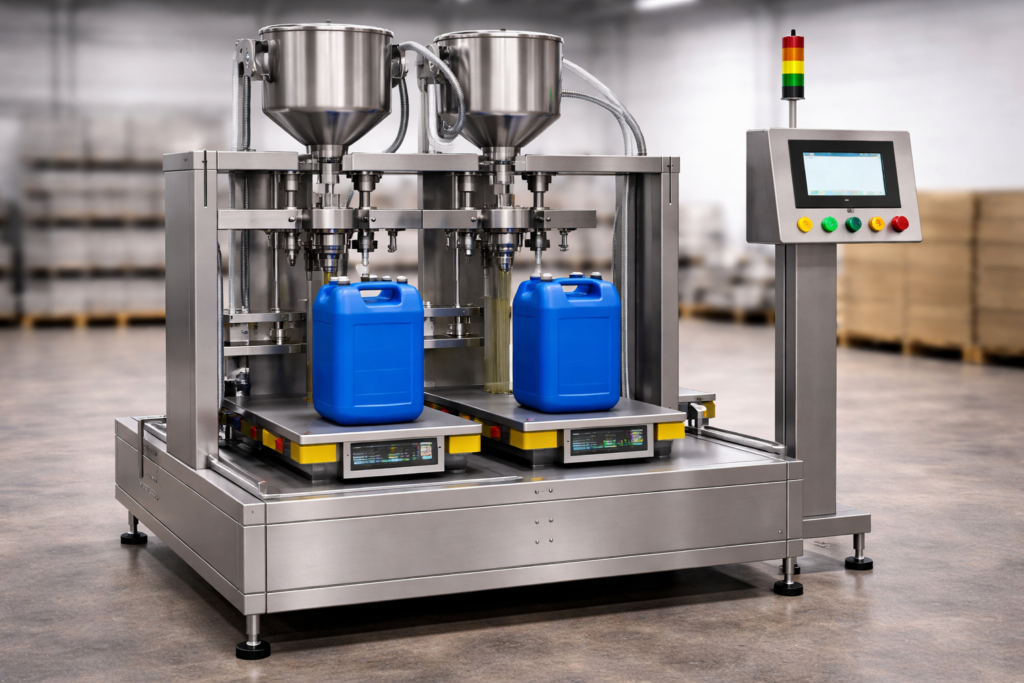
What is a Gravimetric Filling Machine? The Ultimate Guide to Precision Filling Introduction In industries where every gram counts, a Gravimetric Filling Machine is the gold standard for accuracy. Unlike volumetric fillers—which can be affected by changes in temperature, aeration, or viscosity—gravimetric systems fill by liquid or solid weight. This ensures that whether you are bottling a thick chemical or a light powder, the customer gets exactly what is promised on the label. What is a Gravimetric Filling Machine? A Gravimetric Filling Machine is a weight-based filling system that utilizes high-precision load cells to monitor the filling process in real-time. By measuring the mass of the product rather than its volume, these machines eliminate the inaccuracies caused by foam, bubbles, or fluctuating product density. How the Process Works: Step-by-Step The efficiency of a gravimetric system lies in its closed-loop feedback: Tare Measurement: The machine senses the empty container on the scale and “zeroes” it out (Tares). Bulk Fill: The product is dispensed at high speed to reach roughly 90% of the target weight quickly. Dribble Feed: The flow slows to a “fine feed” to drop the last few grams with pinpoint accuracy. Automatic Cut-off: Once the load cell hits the exact target, the valve snaps shut, preventing overfill. Key Industry Applications Chemicals & Lubricants: Essential for high-value solvents and oils where overfilling leads to massive profit loss. Food & Beverage: Perfect for honey, sauces, and oils that change density based on ambient temperature. Pharmaceuticals: Used for precise dosing of powders and liquid medications where safety is tied to weight. Paints & Coatings: Necessary for heavy pails where “Gross Weight” filling is often the standard. Types of Gravimetric Filling Systems 1. Net Weight Fillers: These weigh the product in a separate internal hopper before it enters the container. This is the fastest method for high-speed production. 2. Gross Weight Fillers: These weigh the container and the product together during the fill. This is ideal for bulk bags or large 5-gallon pails. 3. Semi-Automatic vs. Fully Automatic: Semi-automatic units require an operator to place the bottle, while fully automatic systems integrated into a conveyor line can handle 20–100+ containers per minute. Buying Guide: What to Look for in a Pre-Owned Machine Buying used equipment is a great way to save on CAPEX, but a weighing system is a “smart” machine, which means you need to check the electronics carefully. Factor What to Check Load Cell Integrity Ask for a calibration report. If the load cells are “drifting,” the machine is useless. PLC & Software Is the interface (HMI) in English? Can you still get software updates for that specific model? Product Viscosity Ensure the pumps/valves can handle your specific product (e.g., a water-filler won’t work for molasses). Changeover Time How easy is it to clean the nozzles and recalibrate for a different bottle size? Spare Parts Brands like Mettler-Toledo or Rice Lake have parts available globally; “no-name” brands can be hard to repair. Final Thoughts Investing in a Gravimetric Filling Machine is an investment in waste reduction. While the initial cost is higher than a timed-flow filler, the ROI is found in the “giveaway” you save by never overfilling a bottle again. Planning to Buy or Sell a Pre- Owned Gravimetric Filling Machine? Connect with verified buyers and sellers to find the right machine or get the best value for your equipment. Want to Buy a Machine? submit your requirement Want to Sell Your Machine? List your equipment FAQs What is a gravimetric filling machine? A gravimetric filling machine fills products based on exact weight using load cells, ensuring high accuracy. What products can be filled using a gravimetric filling machine? It is suitable for liquids, powders, and granules such as oils, chemicals, grains, and pharmaceuticals. What is the price of a gravimetric filling machine? The price typically ranges from ₹1,50,000 to ₹10,00,000+, depending on capacity and automation. Is a gravimetric filling machine accurate? Yes, it offers high accuracy as it measures filling based on weight, reducing product loss and variation. A gravimetric filling machine fills products based on exact weight using load cells, ensuring high accuracy. It is suitable for liquids, powders, and granules such as oils, chemicals, grains, and pharmaceuticals. The price typically ranges from ₹1,50,000 to ₹10,00,000+, depending on capacity and automation. Yes, it offers high accuracy as it measures filling based on weight, reducing product loss and variation.

Gravimetric Filling Machine Read More »

Timed Flow Filling Machine

Timed Flow Filling Machine

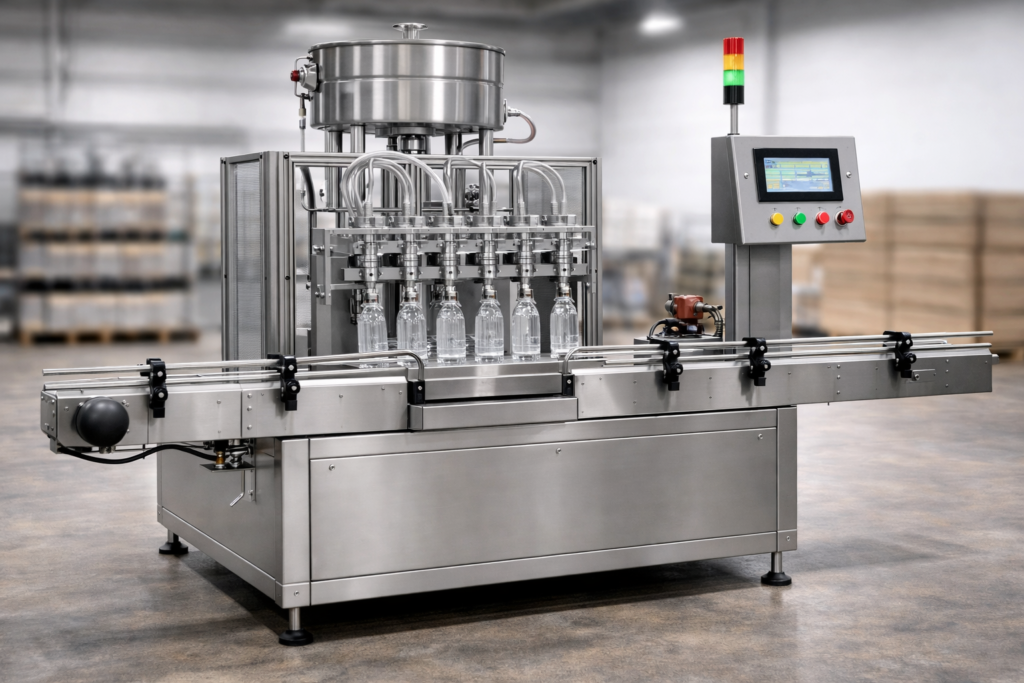
What is a Timed Flow Filling Machine? Uses & Buying Guide Introduction In industries where simple and cost-effective liquid filling is required, a Timed Flow Filling Machine is a popular choice. It is widely used for filling free-flowing liquids where extreme precision is not critical but speed and efficiency matter. This machine is ideal for startups and small to medium-scale businesses looking to automate their filling process without heavy investment. What is a Timed Flow Filling Machine? Filling machines that measure out a product, usually a liquid or powder, by controlling the product flow duration to a predetermined value. Instead of measuring volume mechanically, it relies on flow rate and timing to control the fill quantity. How Does it Work? Liquid is stored in a tank A timer is set on the control panel Nozzles open for a specific time Liquid flows into the container Nozzles close automatically after the set time This ensures a consistent fill based on timing and flow rate. Uses These machines are commonly used for: Cosmetics – Lotions, oils Chemicals – Cleaning liquids, solvents Food Industry – Edible oils, syrups Detergents – Liquid soaps and cleaners Water & Beverages – Non-viscous liquids Limitations (Important for Buyers) Less accurate than piston or servo filling machines Not suitable for thick or viscous products Flow rate variations can affect accuracy Types of Timed Flow Filling Machines 1. Semi-Automatic Timed Flow Machine Requires operator assistance and is ideal for small to medium-scale production. Offers cost-effective automation with moderate output. 2. Automatic Timed Flow Filling Machine Fully automated system designed for high-speed production. Ensures consistent filling with minimal human intervention. Key Factors to Consider Before Buying a Pre-Owned Timed Flow Filling Machine Factor What to Check Machine Condition Check valves, nozzles, and control system Liquid Compatibility Suitable for low-viscosity liquids Filling Accuracy Consistency based on flow rate Production Speed Bottles per minute (BPM) Flow Control System Stable and adjustable timer settings Nozzle Quality Anti-drip and smooth flow Maintenance History Service records and past usage Spare Parts Availability Easily available parts in India Power Consumption Efficiency of older machines Seller Credibility Buy from verified and trusted sellers   Final Thoughts A timed flow filling machine is a practical solution for businesses handling free-flowing liquids to deliver repeatable volumes. Choosing the right type can improve efficiency and reduce operational costs. Looking to Buy or Sell a Pre-Owned Timed Flow Filling Machine? Share your requirement and connect with trusted sellers & buyers offering the right machine & its value for your production needs. Want to Buy a Machine? submit your requirement Want to Sell Your Machine? List your equipment FAQs What is a timed flow filling machine? A timed flow filling machine fills liquids based on a preset time interval, ensuring consistent volume using flow control. What products can be filled using a timed flow filling machine? It is suitable for free-flowing liquids like oils, water, chemicals, detergents, and light syrups. What is the price of a timed flow filling machine? The price typically ranges from ₹30,000 to ₹2,50,000+, depending on features and automation level. Is a timed flow filling machine accurate? It offers moderate accuracy, but results may vary with changes in liquid flow rate and viscosity. A timed flow filling machine fills liquids based on a preset time interval, ensuring consistent volume using flow control. It is suitable for free-flowing liquids like oils, water, chemicals, detergents, and light syrups. The price typically ranges from ₹30,000 to ₹2,50,000+, depending on features and automation level. It offers moderate accuracy, but results may vary with changes in liquid flow rate and viscosity.

Timed Flow Filling Machine Read More »

Pressure Filling Machine

Pressure Filling Machine

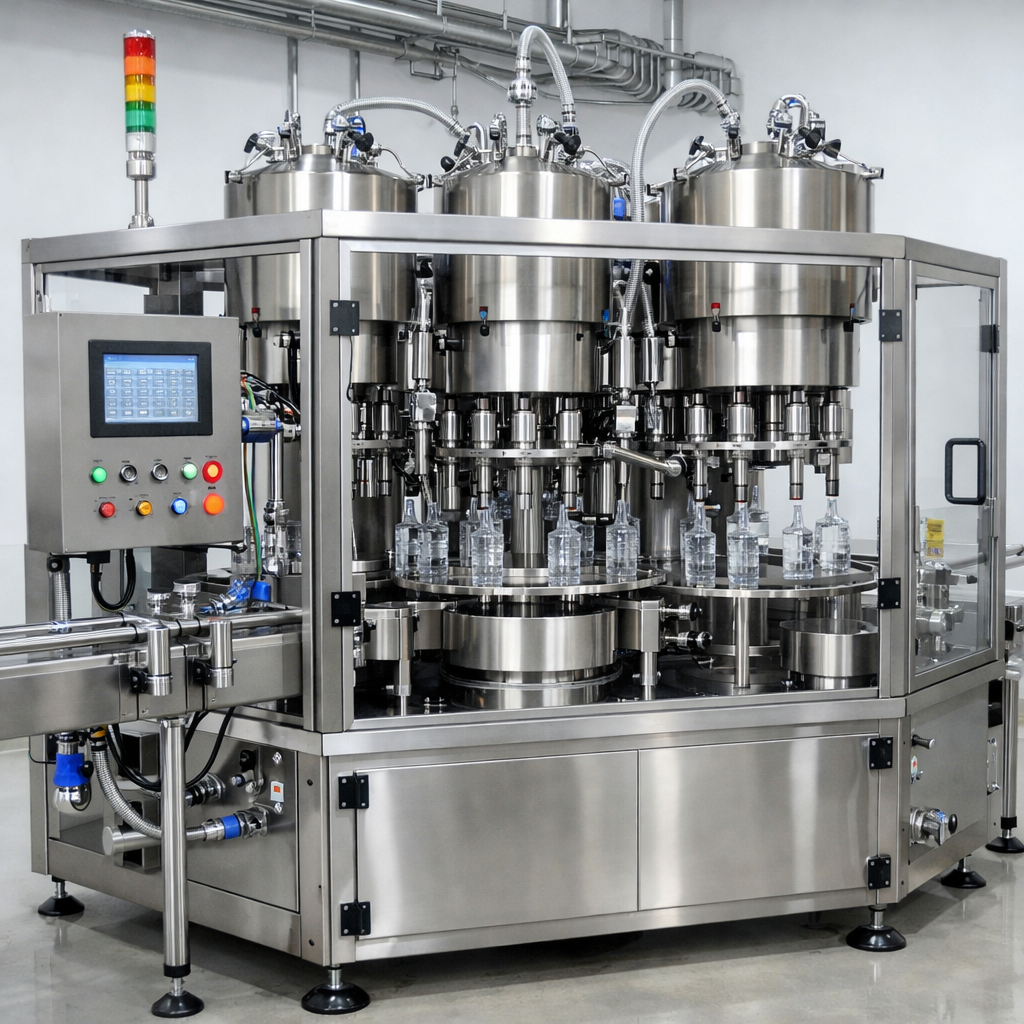
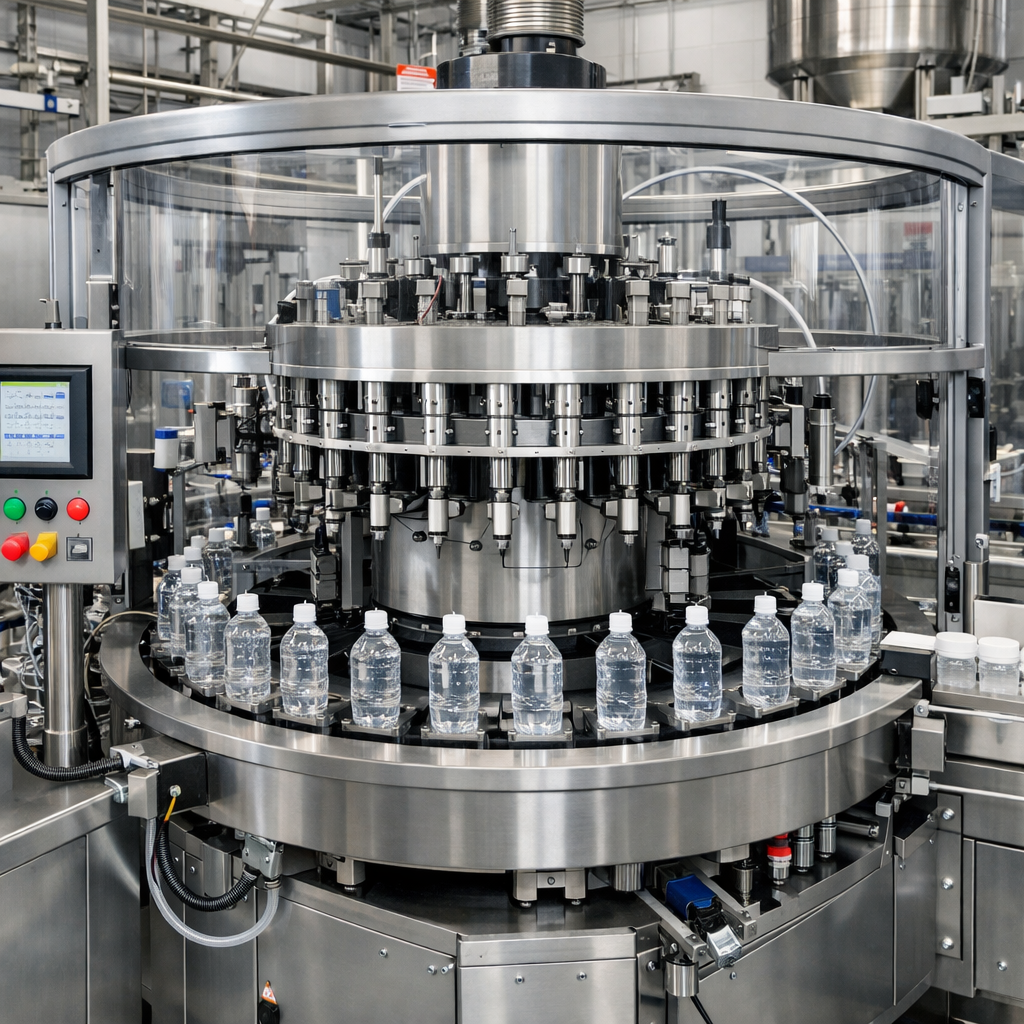
Pressure Filling Machine: How It Works and Applications Introduction A pressure filling machine is an advanced liquid filling system designed to fill low to medium viscosity liquids using controlled pressure. These machines are widely used in industries such as food & beverage, pharmaceuticals, chemicals, and cosmetics. They are especially suitable for carbonated and foamy liquids, where maintaining product quality and minimizing spillage is critical. What is a Pressure Filling Machine? A filling machine which fills a product, usually liquid, to a predetermined level in a rigid container, with product under pressure. Key Features High accuracy liquid filling Suitable for carbonated and foamy liquids Controlled pressure system for smooth flow Automatic “No Bottle-No Fill” mechanism Stainless steel construction (SS 304/316) Easy integration with bottling lines Industrial Applications and Use Cases Food & Beverage Industry Soft drinks, beer, carbonated beverages Juice and packaged drinking water Chemical Industry Liquid chemicals and cleaning solutions Cosmetic Industry Perfumes and liquid cosmetic products Types of Pressure Filling Machines 1. Gravity Filling Uses natural pressure and gravity Suitable for simple liquid filling 2. Counter Pressure Filling Maintains equal pressure in tank and container Ideal for carbonated beverages Key Factors to Consider Before Buying a Pressure Filling Machine Factor What to Check Liquid Type Suitable for carbonated or non-carbonated liquids Filling Accuracy Check level consistency and pressure control Production Capacity Matches required bottles per minute Pressure System Stable and adjustable pressure mechanism Machine Compatibility Fits with existing bottling line Build Quality SS 304/316 for durability and hygiene Automation Level Semi or fully automatic based on need Maintenance Ease of cleaning and servicing Spare Parts Availability of valves and components Cost vs Value Compare features with overall price Looking to Buy or Sell a Pressure Filling Machine? If you are planning to buy or sell a  filling machine, SurplusPack helps you connect with genuine buyers and sellers. Want to Buy a Machine? submit your requirement Want to Sell Your Machine? List your equipment

Pressure Filling Machine Read More »

Gravity Filling Machine

Gravity Filling Machine

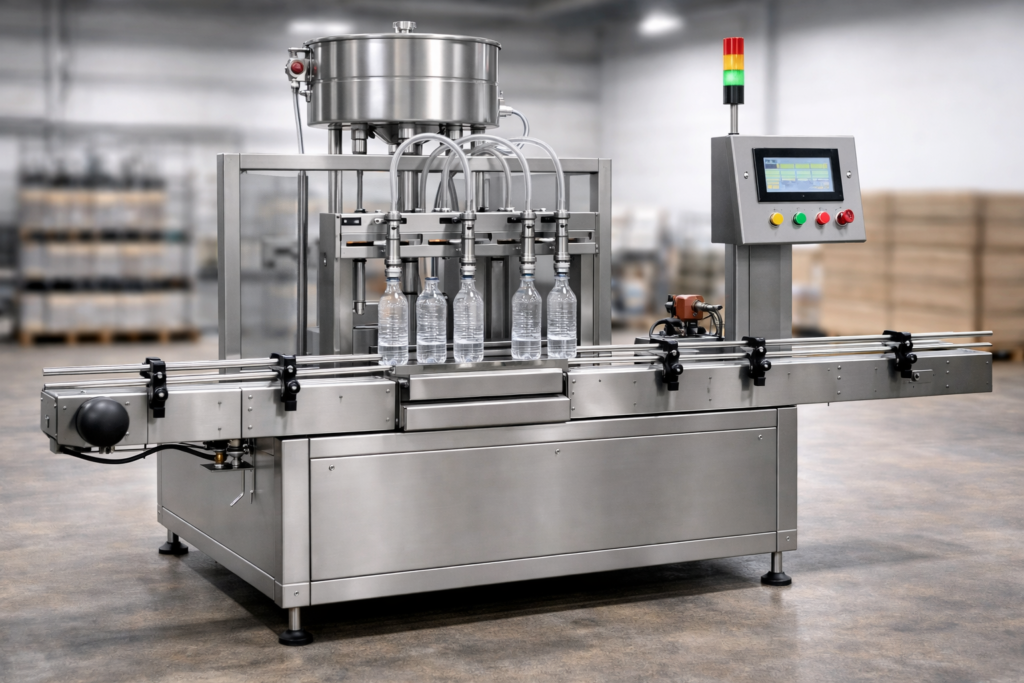
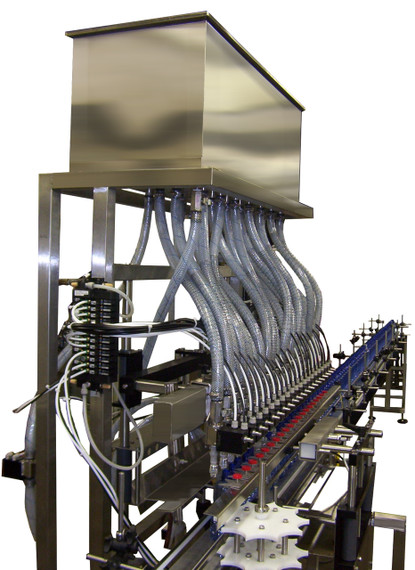
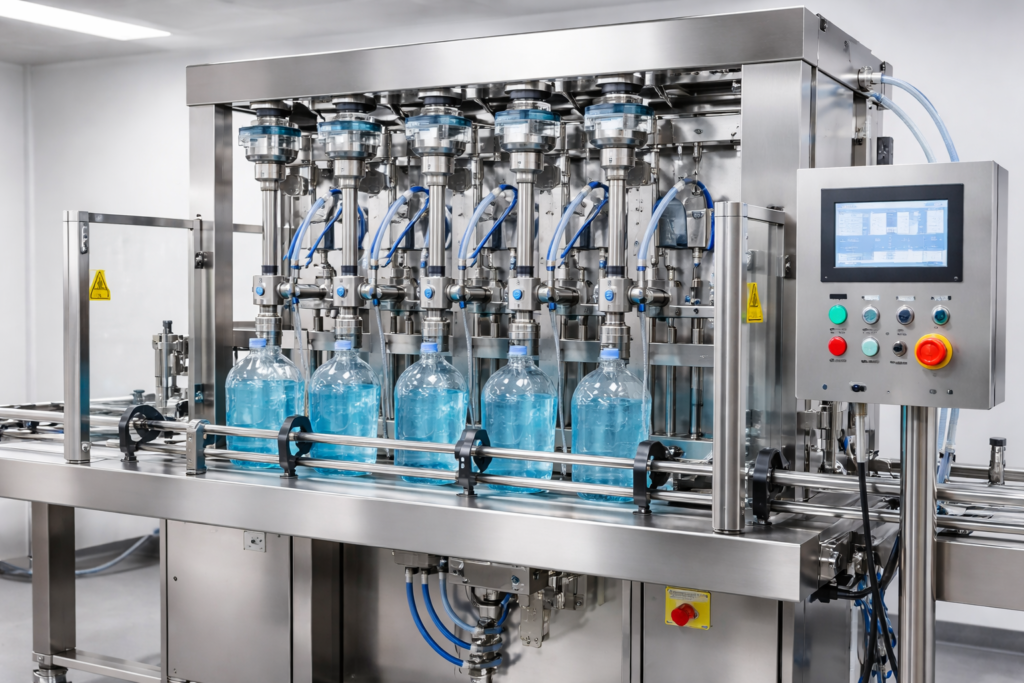
Gravity Filling Machine: Working Principle, Types & Applications Introduction A gravity filling machine is one of the simplest and most cost-effective solutions used in modern packaging industries. It works on a natural principle where liquid flows from an elevated tank into containers without the need for pumps or complex mechanisms. What is a Gravity Filling Machine? A filler machine which fills a product, usually a liquid or powder , to a predetermined level in a container, the product flowing under gravity. Key Features Feature Description Simple Working Principle Uses gravity flow, eliminating complex pumps or pressure systems High Filling Accuracy Time-based control ensures consistent liquid levels Suitable for Thin Liquids Ideal for water, oils, juices, and chemicals Adjustable Volume Easy control for different container sizes Multiple Head Options Available in single or multi-head setups Stainless Steel Build SS 304/316 ensures hygiene and durability Low Maintenance Fewer moving parts reduce wear User-Friendly Simple controls for easy operation Anti-Drip Nozzles Prevents spillage during filling Flexible Automation Available in manual to fully automatic versions Applications of Gravity Filling Machine This type of liquid filling equipment is widely used across industries: Food & Beverage: Water, juice, vinegar, edible oil Cosmetics: Perfumes, toners, essential oils Chemicals: Detergents, cleaning liquids, solvents Pharmaceuticals: Syrups and liquid formulations Types of Gravity Filling Machines 1. Manual Type Operated by hand Suitable for small-scale production 2. Semi-Automatic Type Requires some operator input Ideal for medium-scale businesses 3. Automatic Type Fully automated with conveyor systems High speed and efficiency Key Factors to Consider Before Buying a Pre-Owned Gravity Filling Machine Factor Description Liquid Type Should be free-flowing and low-viscosity Production Capacity Depends on number of filling heads Automation Level Manual, semi-auto, or automatic Accuracy Timer-based or advanced control Material SS 304/316 for hygiene applications Budget Choose based on required features Looking to Buy or Sell a Gravity Filler If you are planning to buy or sell a gravity filler, SurplusPack connects you with genuine buyers and sellers across industries. Want to Buy a Machine? submit your requirement Want to Sell Your Machine? List your equipment

Gravity Filling Machine Read More »

vacuum filling machine

Vacuum Filling Machine

What is a Vacuum Filling Machine? Uses & Buying Guide Introduction In industries where precision and hygiene are critical, a Vacuum Filling Machine is widely used for filling liquids without spillage or air contamination. It is especially useful for products like oils, syrups, perfumes, and chemicals. If you are looking to improve filling accuracy or reduce wastage, understanding vacuum filling technology can help you choose the right machine—especially when buying a used one. What is a Vacuum Filling Machine? A filling machine which fills a product, usually a liquid or powder, to a predetermined level in a rigid container, flow being initiated by applying a vacuum to the container. It is ideal for low to medium viscosity liquids and is commonly used where consistent fill level appearance is important. How Does This Machine Work? It uses across various industries: Food Industry – Oils, sauces, syrups Beverage Industry – Juices, wine Cosmetics – Perfumes, lotions Chemicals – Cleaning liquids, solvents Pharmaceuticals – Liquid medicines Types of Vacuum Filling Machines 1. Manual Vacuum Filler Operated manually Suitable for small-scale production 2. Semi-Automatic Vacuum Filler Requires some operator involvement Ideal for medium-scale businesses 3. Automatic Vacuum Filler Fully automated system High-speed production for large industries Key Factors to Consider Before Buying a Pre-Owned Vacuum Filling Machine Factor What to Check Machine Condition Check vacuum pump, tank, and nozzles Product Compatibility Suitable for low/medium viscosity liquids Filling Accuracy Uniform fill level across all bottles Production Speed Bottles per minute (BPM) Container Compatibility Works with glass or rigid containers Leakage Control No dripping or overflow issues Maintenance History Service records and past usage Spare Parts Availability Easily available parts in India Power Consumption Efficiency of older machines Seller Credibility Buy from verified and trusted sellers   Final Thoughts It is an excellent choice for businesses that require clean, precise, and uniform liquid filling. Choosing the right machine especially a reliable used one can help reduce costs while maintaining high efficiency. Looking to Buy or Sell a Machine? If you are planning to buy or sell a Vacuum Filling Machine, SurplusPack connects you with genuine buyers and sellers. Want to Buy a Machine? submit your requirement Want to Sell Your Machine? List your equipment

Vacuum Filling Machine Read More »

Auger Filling Machine

Auger Filling Machine

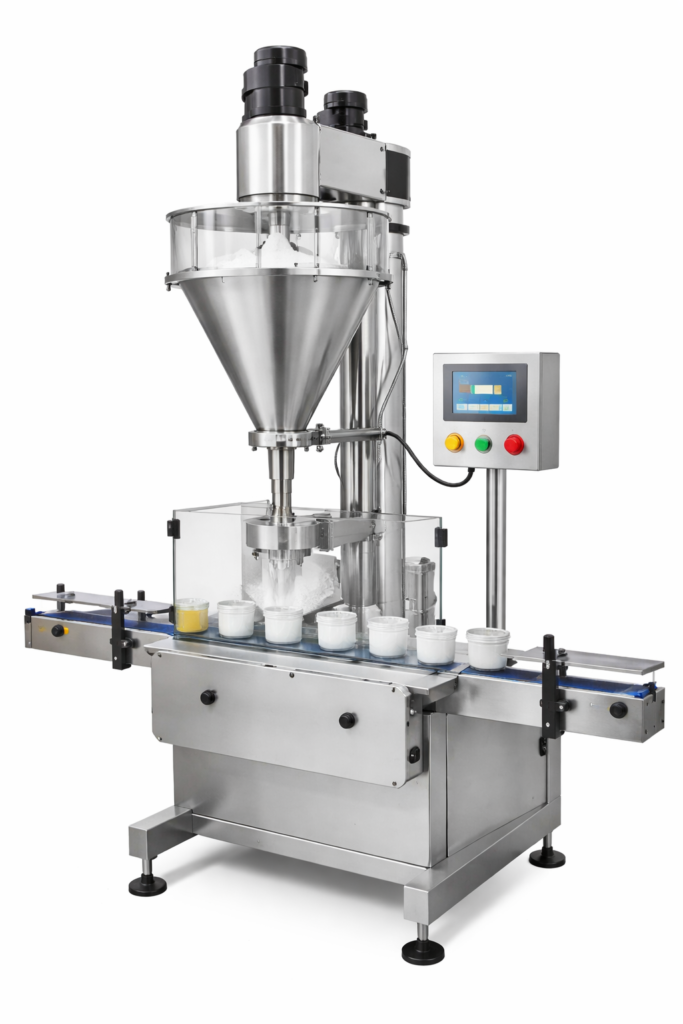
Auger Filling Machine: Reliable and Efficient Powder Filling Solution Introduction An auger filling machine is a highly precise packaging system designed for filling powders, granules, and semi-free-flowing materials. It uses an auger screw mechanism to dispense a controlled quantity of product into containers or pouches with excellent accuracy. This technology is widely used in industries where consistent dosing and minimal wastage are essential. What is an Auger Filling System? An auger-based filling system measures and dispenses product—usually powder—by rotating a screw for a preset number of revolutions. This ensures uniform filling and makes it ideal for products that require precise weight control. Key Features High accuracy for powder dosing Adjustable fill volume through screw control Suitable for fine and semi-free-flowing materials Compact and efficient design Easy integration with packaging lines Durable stainless steel construction (SS 304/316) Low material wastage with consistent output Applications This type of powder filling equipment is widely used in multiple industries: Food Industry: Spices, flour, milk powder, coffee powder, protein powder Pharmaceutical Industry: Medicinal and herbal powders Chemical Industry: Detergent powder, fine chemicals Cosmetic Industry: Face powder, talc Types of Machines 1. Semi-Automatic Auger Filler Ideal for small-scale operations Cost-effective and easy to operate 2. Automatic Machine High-speed production Integrated with advanced packaging lines Key Factors to Consider Before Buying a Pre-Owned Auger Filling Machine Factor What to Check Powder Type Suitable for fine, semi-free-flowing, or dusty powders Filling Accuracy Check calibration and dosing precision Production Capacity Ensure it meets required output (packs/min) Auger Size Select correct screw size for fill range Hopper Design Smooth product flow without blockage Build Quality SS 304/316 for hygiene and durability Control System User-friendly PLC or digital controls Dust Control Availability of dust collection system Maintenance Ease of cleaning and spare availability Cost vs Value Balance performance with price Looking to Buy or Sell an Auger Filling Machine? Planning to buy or sell this type of equipment? SurplusPack connects you with trusted buyers and sellers across industries, making the process simple and reliable. Want to Buy a Machine? submit your requirement Want to Sell Your Machine? List your equipment

Auger Filling Machine Read More »

Flow Meter Filling Machine

Flow Meter Filling Machine

Flow Meter Filling Machine: A Reliable System for Liquid Filling Introduction A flow meter filling machine is an advanced liquid filling solution designed to deliver high accuracy and consistency using flow measurement technology. It ensures precise volume control, making it ideal for industries where accuracy and efficiency are critical. This system helps improve productivity while reducing product wastage in modern packaging lines. What is a Flow Meter Filling Machine? A filling machine which measures out a product, usually a liquid, using a flow meter. Key Features High-precision liquid filling Digital control with programmable settings Suitable for multiple container sizes Minimal wastage during operation Easy integration with automated lines Durable stainless steel construction (SS 304/316) Applications This type of liquid filling equipment is widely used in: Food & Beverage: Water, juice, edible oilChemicals: Cleaning liquids and industrial solutionsPharmaceuticals: Syrups and liquid medicinesCosmetics: Lotions, shampoos, and liquid products Types 1. Magnetic Flow Type Suitable for conductive liquids Offers high accuracy 2. Mass Flow Type Measures mass instead of volume Ideal for precision applications Key Factors to Consider Before Buying a Pre-Owned Flow Meter Filling Machine Factor What to Check Liquid Type Suitable for low to medium viscosity liquids Accuracy Check calibration and precision Production Capacity Should match required output Flow Meter Type Magnetic or mass type as per need Compatibility Must fit existing production line Build Quality SS 304/316 for durability Control System User-friendly PLC or digital interface Maintenance Easy cleaning and servicing Spare Parts Availability of components Cost vs Value Compare features with investment Looking to Buy or Sell a Flow Meter Filling Machine? Planning to buy or sell this type of equipment? SurplusPack connects you with trusted buyers and sellers across industries, making the process simple and reliable. Want to Buy a Machine? submit your requirement Want to Sell Your Machine? List your equipment

Flow Meter Filling Machine Read More »

Rotating Chamber Filling Machine

Rotating Chamber Filling Machine

Rotating Chamber Filling Machine: How It Works and Applications Introduction A Rotating Chamber Filling Machine is a specialized packaging system used for filling powders and fine granules with high speed and consistent accuracy. It is widely used in industries such as food, chemicals, pharmaceuticals, and FMCG. This machine operates on a rotating chamber mechanism, ensuring continuous filling and efficient handling of dry products. What is a Rotating Chamber Filling Machine? A filling machine which measues out a product, usually a liquid, paste or gas, using a metering pump which operates for a predetermined number of cycles. Key Features High-speed filling for powder products Continuous rotary operation Consistent volume-based dosing Compact and efficient design Easy integration with pouch packing machines Suitable for automatic operations Applications Food Industry Flour, spices, milk powder Coffee, tea powders Chemical Industry Detergent powder Fine chemicals Pharmaceutical Industry Powder-based medicines Chemical Industry Lubricants, adhesives, liquid chemicals Types of Rotating Chamber Filling Machines 1. Semi-Automatic Machine Suitable for small-scale production Lower cost and simple operation 2. Automatic Machine High-speed production Integrated with pouch packing systems Key Factors to Consider Before Buying a Pre-Owned Rotating Chamber Filling Machine Factor What to Check Machine Condition Check chamber wear, seals & overall structure Powder Compatibility Suitable for fine, free-flowing powders Filling Accuracy Test consistency and calibration Production Capacity Matches required output speed Maintenance History Service records and past repairs Spare Parts Availability of chambers, seals, components Build Material SS 304/316 for durability and hygiene Integration Compatible with pouch/VFFS machines Brand Reliability Prefer trusted manufacturers Cost vs Value Compare price with machine condition Looking to Buy or Sell a Rotating Chamber Filling Machine? If you are planning to buy or sell a chamber filling machine, SurplusPack connects you with genuine buyers and sellers across industries. Want to Buy a Machine? submit your requirement Want to Sell Your Machine? List your equipment

Rotating Chamber Filling Machine Read More »