pawanarang

Steam Capping Machine

Steam Capping Machine

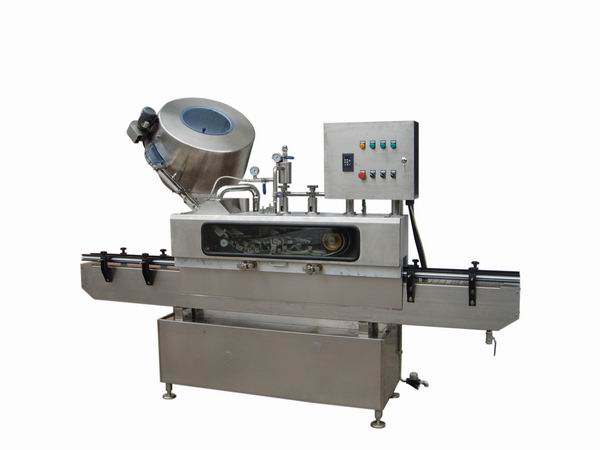
Steam Capping Machine: Complete Guide for Secure Bottle Sealing Introduction A Steam Capping Machine is an advanced packaging solution used to seal bottles especially glass containers with metal caps using steam. The process involves injecting steam into the headspace of the bottle before capping, which removes air and creates a vacuum seal as it cools. This ensures the product remains fresh, safe, and free from contamination. What is a Steam Capping Machine? A Steam Capping Machine is a closing machine used to seal bottles by applying caps while sterilising both the cap and the filled rigid container using steam during the sealing process. This method removes air, creates a vacuum, and ensures a hygienic, airtight, and tamper-evident seal. How Does a Steam Capping Machine Work? The working process includes: Bottle Feeding – Filled bottles move on a conveyorSteam Injection – Steam is introduced into the bottle neckCap Placement – Metal cap is positioned on the bottleCapping & Sealing – Cap is tightened while steam creates vacuumCooling – Steam condenses, forming a strong seal Uses Steam capping machines it is widely used in: Food Industry- For sealing jams, pickles, sauces, and canned products Beverage Industry- Used for juices, syrups, and liquid food items Pharmaceutical Industry- Ensures hygienic and contamination-free packaging Types of Steam Capping Machines 1. Manual Type This type is operated manually and is suitable for small-scale production. Low investmentIdeal for startups or limited output 2. Semi-Automatic Type Combines manual handling with automated capping functions. Moderate production capacityBetter efficiency than manual machines 3. Automatic Type Fully automated system with conveyor integration. High-speed productionMinimal human interventionSuitable for large-scale industries 4. Rotary Steam Capping Machine Advanced high-speed machine with rotary mechanism. Continuous operationVery high outputUsed in large food & beverage plants Key Factors to Consider Before Buying Pre-Owned Steam Capping Machine Factor What to Check Why It Matters Bottle Type & Size Glass/plastic, neck diameter Ensures compatibility with your packaging Cap Type Metal lug caps, twist-off caps Required for proper vacuum sealing Production Capacity Bottles per minute/hour Matches your production demand Automation Level Manual / Semi / Automatic Impacts efficiency and labor cost Steam Control System Consistent steam flow & pressure Ensures proper vacuum formation Build Quality Stainless steel construction Hygiene + durability Ease of Operation User-friendly controls Reduces operator errors Maintenance Spare parts availability Minimizes downtime Safety Features Heat & steam protection Ensures operator safety Space Requirement Machine size Fits your production layout Why Choose Steam Capping Over Other Methods? Compared to conventional capping methods, steam capping offers: Better Vacuum FormationLonger Shelf LifeHigher Hygiene StandardsStronger Seal Integrity Looking to Buy or Sell a Pre-Owned Machine?​ At Surpluspack, we streamline the process by connecting you with trusted buyers and sellers of packaging machinery, ensuring reliable and efficient transactions. Want to Buy a Machine? submit your requirement Want to Sell Your Machine? List your equipment FAQs What is a capping machine used for? A capping machine is used to securely place and tighten caps on bottles or containers, ensuring they are sealed properly to prevent leakage, contamination, and product spoilage. What are the types of Steam Capping Machines? Manual, semi-automatic, automatic, and rotary steam capping machines. Which is the best Steam Capping Machine? Automatic steam capping machines are best for high-speed and large-scale production. Which industries use Steam Capping Machines? Used in food, beverage, and pharmaceutical industries for hygienic and secure bottle sealing. A capping machine is used to securely place and tighten caps on bottles or containers, ensuring they are sealed properly to prevent leakage, contamination, and product spoilage.Manual, semi-automatic, automatic, and rotary steam capping machines. Automatic steam capping machines are best for high-speed and large-scale production. Used in food, beverage, and pharmaceutical industries for hygienic and secure bottle sealing.

Steam Capping Machine Read More »
Screw Capping Machine

Screw Capping Machine

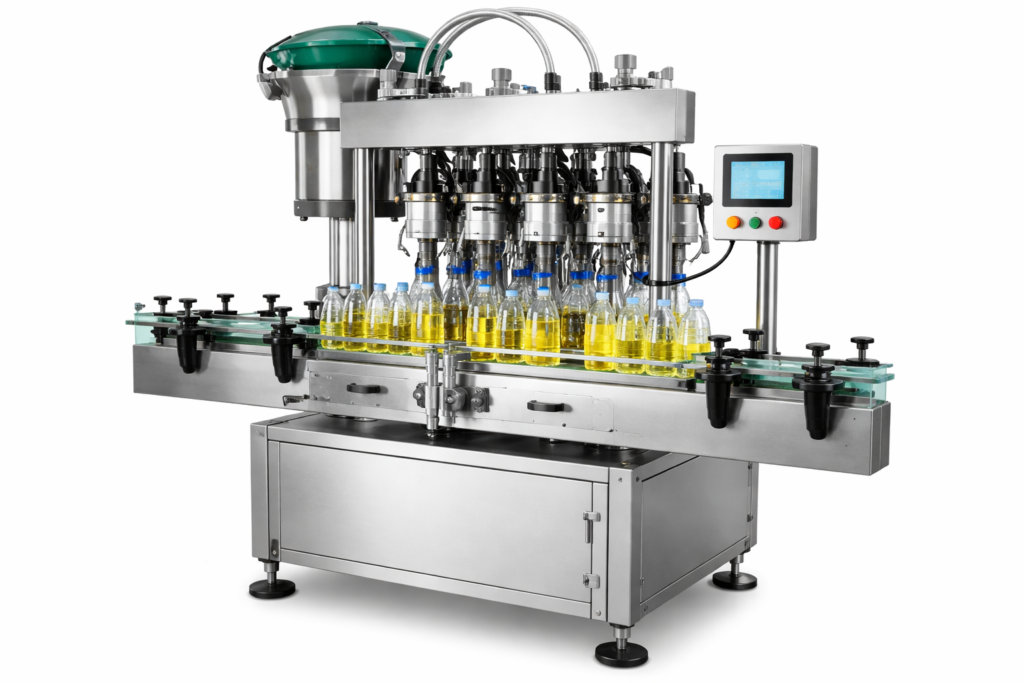
Screw Capping Machines: The Precision Guide to Leak-Proof Bottling Introduction In the world of bottling, the cap is the final handshake with your customer. If it’s too hard to open, they’re frustrated. If it’s leaky, your brand is damaged. A Screw Capping Machine is the automated solution that applies threaded lids to rigid containers with the perfect amount of rotational force (torque). From craft hot sauces to life-saving pharmaceuticals, this machine ensures every bottle leaves the line with a professional, tamper-evident seal. What is a Screw Capping Machine? A closing machine that applies a threaded cap or lid, usually to a rigid container. It ensures consistent torque and proper sealing, which is essential for maintaining product quality. How Screw Capping Works The process is more than just “twisting a lid.” It involves a synchronized dance between the bottle and the capping head: Bottle Indexing: Bottles are spaced out on a conveyor so they hit the capping station one by one. Cap Application: Caps are “picked” from a sorter or placed manually onto the bottle neck. The Torque Phase: This is the most critical part. The capping head (using rubber wheels or a descending chuck) grips the cap and spins it until a specific resistance is met. The Release: Once the “set torque” is reached, the head disengages to prevent stripping the threads or cracking the plastic. Key Applications Food & Beverage: Dressings, spirits, oils, and honey. Pharmaceuticals: Syrups, pill bottles, and nasal sprays. Cosmetics: Pump-action lotions, shampoos, and essential oil droppers. Agrochemicals: Pesticides and fertilizers where leak-proof safety is mandatory. Important: Real Limitations to Consider Unlike the filling process, capping has its own set of unique hurdles: Cap Geometry: Standard screw caps are easy, but “trigger sprays” or “pump dispensers” often require specialized, custom-tooled capping heads. Lining Issues: If your cap has an induction liner or a foam wad, the machine must be calibrated to ensure it doesn’t “crush” the liner while tightening. Bottle Stability: Tall, thin bottles can wobble during the high-speed spinning process, leading to “cross-threading.” The Three Main Types of Cappers   Machine Type How It Works Best For… Handheld / Semi-Auto An operator holds a motorized tool over the bottle. Small batches, startups, and varied bottle sizes. Spindle (Inline) Capper Pairs of spinning rubber wheels tighten the cap as the bottle passes by. High-speed lines where the bottle never stops moving. Chuck Capper A mechanical “chuck” lowers over the cap, grips it, and twists. High-precision torque requirements (Pharma/Chemicals). The “SurplusPack” Buying Guide for Pre-Owned Cappers Buying a used capper can save you thousands, but don’t buy without checking these four mechanical vitals: The Gripper Wheels/Chucks: These are “wear parts.” Check the rubber or silicone for smoothing or cracks. If they are worn out, they will slip and leave caps loose. Clutch Adjustment: Test the magnetic or mechanical clutch. It should “slip” at the exact same tension every time. If the torque is inconsistent, your reject rate will be high. Cap Sorter/Feeder: If you are buying an automatic machine, the “Cap Elevator” or “Bowl Feeder” is just as important as the capper. If it jams, your whole line stops. Height Adjustment: Ensure the hand-cranks for adjusting the machine’s height move smoothly. If you change bottle sizes often, a seized adjustment screw is a nightmare. Final Thoughts It is essential for ensuring secure, leak-proof, and professional bottle packaging. Investing in the right machine, especially a reliable used one, can improve productivity and reduce operational costs. Looking to Buy or Sell a Pre-Owned Machine? If you are planning to buy or sell a pre-owned Screw Capping Machine, SurplusPack helps you connect with genuine buyers and sellers. Want to Buy a Machine? submit your requirement Want to Sell Your Machine? List your equipment FAQs What is the price of a screw capping machine? The price of a screw capping machine typically ranges from ₹50,000 to ₹5,00,000+, depending on type and automation. What is the screw capping machine price in India? In India, screw capping machines start from around ₹50,000 for basic models and can go up to ₹10 lakhs+ for fully automatic systems. What is the price of a small screw capping machine? A small screw capping machine usually costs between ₹50,000 to ₹1,50,000, depending on features and build quality. What are the types of screw capping machines? The main types include manual, semi-automatic, automatic, and inline screw capping machines, based on production needs. The price of a screw capping machine typically ranges from ₹50,000 to ₹5,00,000+, depending on type and automation. In India, screw capping machines start from around ₹50,000 for basic models and can go up to ₹10 lakhs+ for fully automatic systems. A small screw capping machine usually costs between ₹50,000 to ₹1,50,000, depending on features and build quality. The main types include manual, semi-automatic, automatic, and inline screw capping machines, based on production needs.

Screw Capping Machine Read More »

Solder Sealing Machine

Solder Sealing Machine

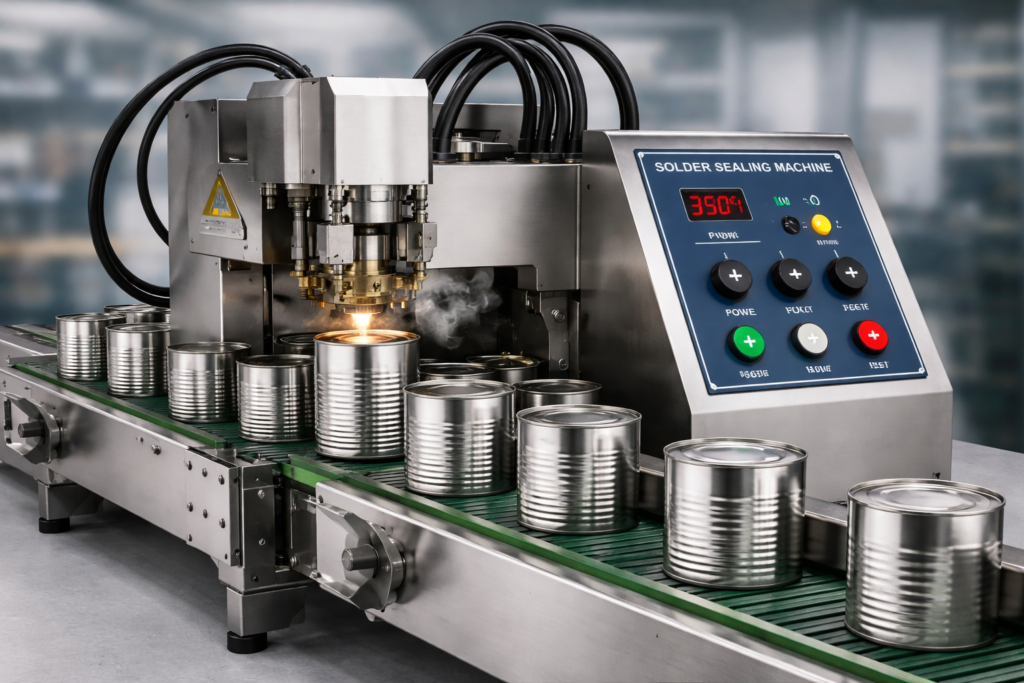
Solder Sealing Machine: A Complete Guide for Industrial Packaging Introduction Solder Sealing Machine A Solder Sealing Machine is a specialized industrial equipment used to seal metal packages by applying molten solder, creating a strong and airtight bond. This process ensures that the contents inside the package remain protected from external factors such as air, moisture, and contamination. Unlike conventional sealing methods like heat sealing or adhesive sealing, solder sealing provides high durability and long-term reliability, especially for metal-based packaging. What is a Solder Sealing Machine? A Solder Sealing Machine is an industrial sealing machine used to seal packages—primarily metal containers—by applying molten solder to join surfaces. This process creates a strong, airtight, and durable bond that protects the contents from leakage, contamination, and environmental factors, making it ideal for applications requiring long-term reliability and secure packaging.   How Does a Solder Sealing Machine Work? A solder sealing machine operates using controlled heat and solder material to join metal surfaces. The process typically involves: Surface Preparation – Cleaning the metal surfaces to ensure proper bondingHeating Mechanism – Applying heat to melt the solderSolder Application – Filling the joint area with molten solderCooling & Solidification – Allowing the solder to harden and form a tight seal Uses Solder sealing machines are widely used across industries where metal packaging integrity is critical: Food & Beverage Industry– Used for sealing tin cans and metal containers to preserve food products. Chemical Industry- Ensures leak-proof sealing of hazardous or sensitive chemicals. Electronics Industry- Used for sealing sensitive components that require protection from moisture and dust. Pharmaceutical Industry- Maintains sterility and prevents contamination in specialized packaging. Types of Solder Sealing Machine 1. Type of Application Identify whether you need it for food, chemicals, or industrial use. Different applications require different sealing specifications. 2. Production Capacity Choose a machine that matches your required output (low, medium, or high production). 3. Automation Level ManualSemi-automaticFully automatic 4. Temperature Control & Precision Accurate temperature control ensures consistent solder quality and prevents defects. 5. Material Compatibility Ensure the machine supports the type of metal and solder you plan to use. 6. Maintenance & Spare Parts Check for easy availability of spare parts and service support. 7. Safety Features Look for features like overheating protection and operator safety mechanisms. Key Factors to Consider Before Buying a Pre-Owned Solder Sealing Machine Factor What to Check Why It Matters Application Type Type of product (food, chemical, electronics, metal cans) Ensures the machine matches your specific sealing requirement Material Compatibility Type of metal, solder material, container design Prevents sealing defects and ensures proper bonding Production Capacity Output per hour/day (low, medium, high) Avoids bottlenecks and supports business growth Automation Level Manual, semi-automatic, or fully automatic Impacts efficiency, labor cost, and scalability Temperature Control Precision control system (digital/PID) Ensures consistent solder quality and avoids overheating Sealing Strength & Quality Uniform solder application and seal consistency Directly affects product safety and leakage prevention Machine Build Quality Material (stainless steel), durability Increases machine life and reduces breakdowns Ease of Operation User-friendly controls, training requirements Reduces operator errors and improves productivity Maintenance & Spare Parts Availability of service and parts Minimizes downtime and long-term costs Safety Features Heat protection, emergency stop, insulation Protects operators and ensures safe operation Energy Efficiency Power consumption and heat efficiency Reduces operational costs over time Space Requirement Machine size vs available workspace Ensures proper installation without workflow issues Budget & ROI Initial cost vs long-term benefits Helps balance investment with productivity gains Why Consider Solder Sealing Over Other Methods? Compared to heat sealing or adhesive-based sealing, solder sealing offers: Superior Strength Better Longevity Higher Resistance to Pressure and Leakage Looking to Buy or Sell a Pre-Owned Machine?​ At Surpluspack, we provide a trusted platform that connects businesses with reliable buyers and sellers of industrial machinery, making the process efficient and hassle-free. Want to Buy a Machine? submit your requirement Want to Sell Your Machine? List your equipment FAQs What is a Solder Sealing Machine? A Solder Sealing Machine is used to seal metal packages by applying molten solder to create a strong, airtight bond. How does a Solder Sealing Machine work? It heats solder and applies it to metal joints, which solidifies to form a secure and leak-proof seal. What are the uses of a Solder Sealing Machine? It is used for sealing metal containers in applications requiring durability and airtight protection. Which industries use Solder Sealing Machines? Used in food, chemical, electronics, and pharmaceutical industries. What are the types of Solder Sealing Machines? Manual, semi-automatic, and automatic solder sealing machines. A Solder Sealing Machine is used to seal metal packages by applying molten solder to create a strong, airtight bond.It heats solder and applies it to metal joints, which solidifies to form a secure and leak-proof seal.It is used for sealing metal containers in applications requiring durability and airtight protection.Used in food, chemical, electronics, and pharmaceutical industries.Manual, semi-automatic, and automatic solder sealing machines.

Solder Sealing Machine Read More »

heat sealing machine

Heat Sealing Machine

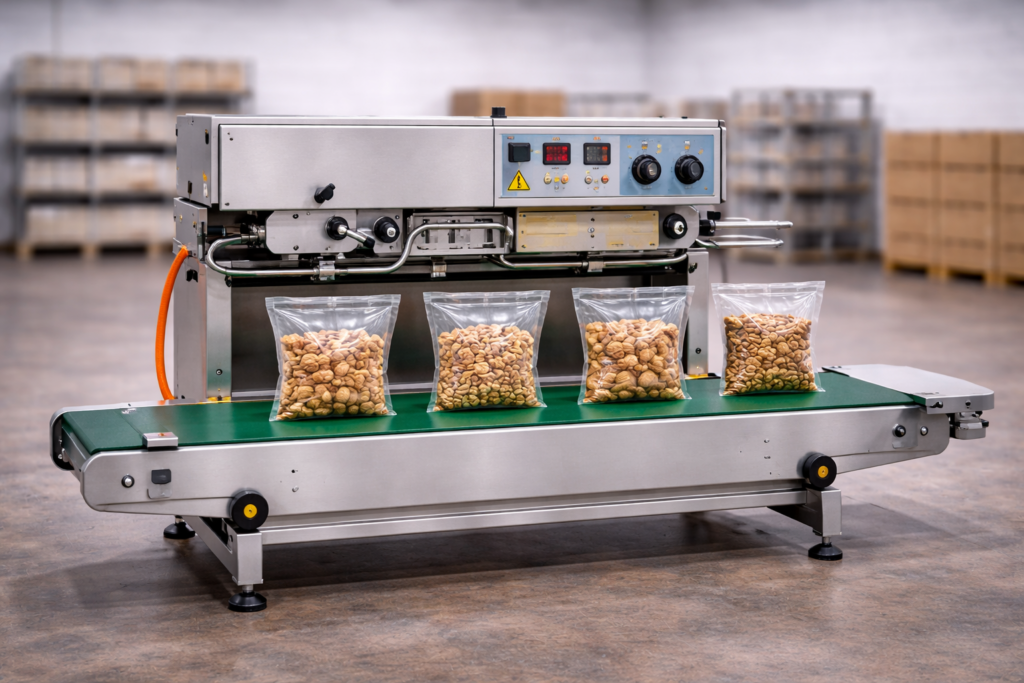
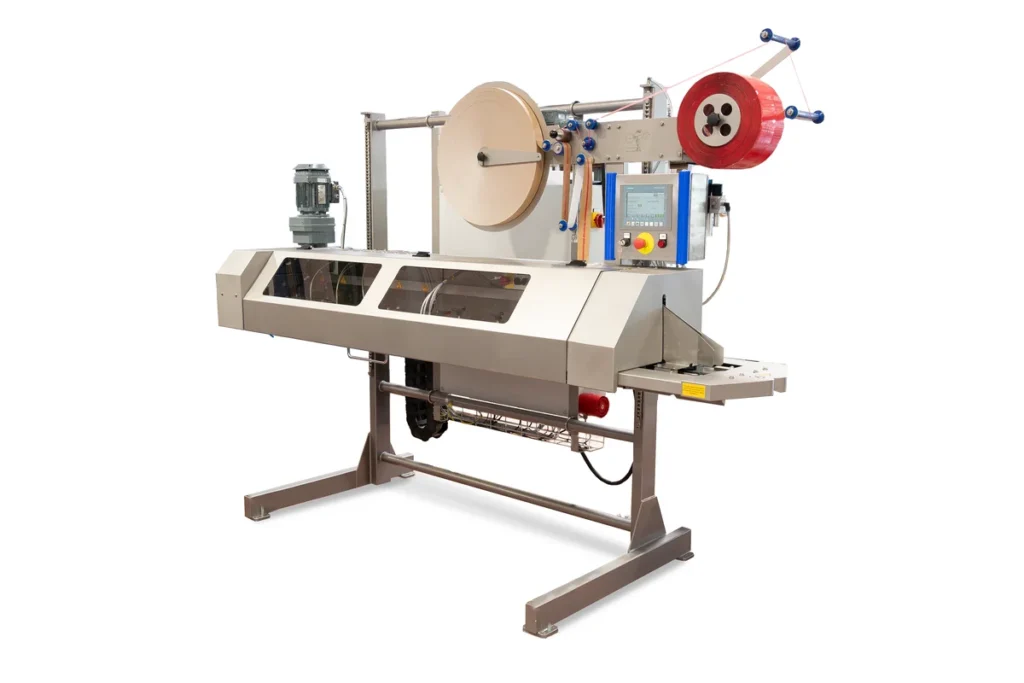
Heat Sealing Machines: The Ultimate Guide to Secure Packaging Introduction In the packaging world, the seal is the “final frontier.” If it fails, your product spoils, leaks, or loses its premium feel. A Heat Sealing Machine is the industrial workhorse that uses controlled temperature and pressure to fuse plastic films together, creating an airtight, tamper-evident barrier. What is a Heat-Sealing Machine? A sealing machine seals a package, usually plastic, by heat sealing. It creates a strong seal by melting the material at the joint and bonding it together. How Heat Sealing Actually Works It isn’t just about getting the plastic hot. It is a precise balance of three variables, often called the “Sealing Triangle”: Heat: The temperature required to reach the material’s melting point. Pressure: The force needed to “knit” the two layers of plastic together. Dwell Time: How long the heat is applied to ensure a bond without burning the film. The Two Main Technologies (Don’t Buy the Wrong One!) 1. Impulse Sealers How they work: The heating element only gets hot during the sealing cycle. It cools down immediately after. Best For: Simple plastic bags (PE/PP), retail shops, and low-volume manual packaging. Pro: Energy-efficient and safe (the jaws aren’t always hot). 2. Constant (Direct) Heat Sealers How they work: The sealing bars stay at a set temperature all day. Best For: Thick materials, gusseted bags, foil laminates, and high-speed lines. Pro: Penetrates thick or coated materials that an impulse sealer can’t touch. Popular Machine Formats   Machine Type Operation Style Best For… Impulse Hand Sealer Manual “Press & Release” Small retail, herbs, or spare parts. Foot Operated Sealer Pedal-controlled Mid-sized bags where the operator needs both hands free. Continuous Band Sealer Belt-driven conveyor High-speed production; sealing hundreds of bags per hour. L-Bar Sealer Cuts and seals simultaneously Shrink-wrapping boxes, books, or multi-packs. Common Applications Food & Beverage: Spices, grains, frozen foods, and coffee pouches (Valved bags). Medical & Pharma: Sterilization pouches and pill blister packs. Industrial: Chemicals, fertilizers, and heavy-duty liners. E-commerce: Poly-mailers and protective bubble packaging. The “SurplusPack” Guide to Buying Pre-Owned Buying a used sealer is a smart move because these machines are mechanically simple, but you must check these three critical points: The Heating Element/Wire: On impulse sealers, look at the “Ni-Chrome” wire under the Teflon tape. If it’s kinked or blackened, it needs immediate replacement. Teflon Tape Condition: If the brown Teflon tape is charred, the plastic will stick to the bars, ruining your seal and slowing down production. The “Seal Integrity” Test: Ask the seller to seal a bag of water and squeeze it. If there is even a pinhole leak, the sealing bars might be warped or misaligned. Cooling Cycle: On automatic machines, check the cooling fans. Proper cooling is what “sets” the seal so it doesn’t pull apart while it’s still hot. Final Thoughts A heat sealer is often the most used machine on a packaging floor. While manual foot-pedal machines are great for startups, scaling up usually requires the automation of a Continuous Band Sealer. Looking to Buy or Sell a Machine? If you are planning to buy or sell a Used Heat Sealer, you can submit your requirement on SurplusPack. Want to Buy a Machine? submit your requirement Want to Sell Your Machine? List your equipment FAQs What is use of heat-sealing machine? A sealing machine seals a package, usually plastic, by heat sealing. How does heat sealing work? It creates a strong seal by melting the material at the joint and bonding it together. What can I use instead of heat sealer? For proper sealing, machines like heat sealers or induction sealers should be used. DIY methods like candles or hair straighteners are unsafe and not suitable for industrial use. Is heat sealing safe? Yes, heat sealing is safe when operated correctly with proper machine settings and safety guidelines. What materials can you heat seal? Heat sealing machines can seal various materials such as PVC, PP, HDPE, and laminated pouches. A sealing machine seals a package, usually plastic, by heat sealing. It creates a strong seal by melting the material at the joint and bonding it together. For proper sealing, machines like heat sealers or induction sealers should be used. DIY methods like candles or hair straighteners are unsafe and not suitable for industrial use. Yes, heat sealing is safe when operated correctly with proper machine settings and safety guidelines. Heat sealing machines can seal various materials such as PVC, PP, HDPE, and laminated pouches.

Heat Sealing Machine Read More »

Fusion Sealing Machine

Fusion Sealing Machine

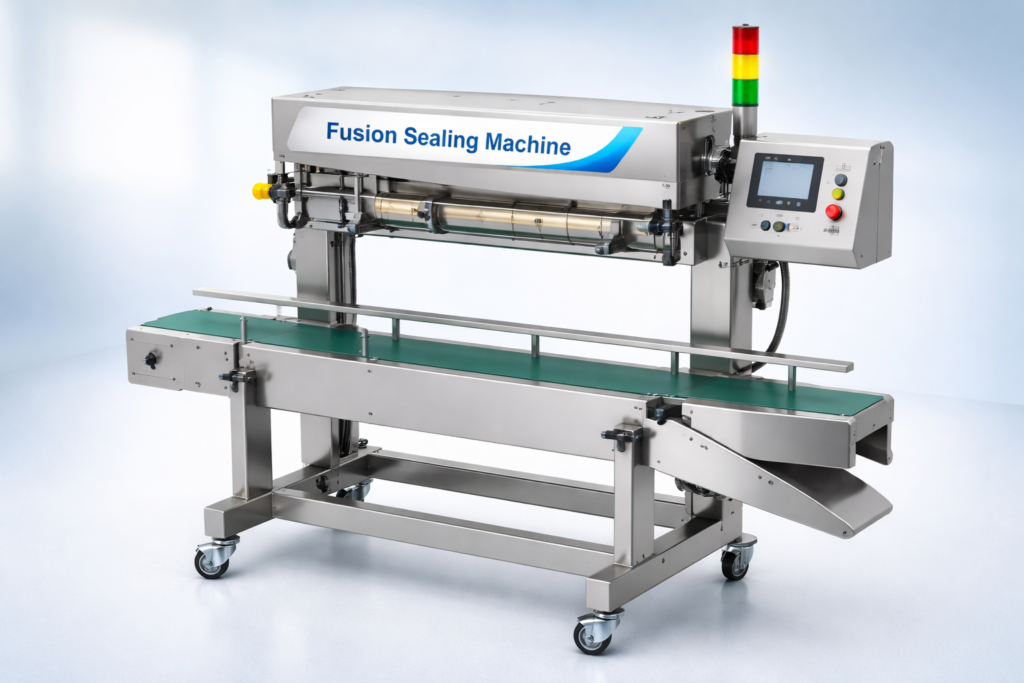
Fusion Sealing Machine: Delivering Strength and Reliability in Every Seal Introduction A Fusion Sealing Machine is an advanced packaging solution used to join and seal materials by applying heat and pressure to fuse them together. This process creates a strong, seamless, and airtight bond without the need for adhesives or additional sealing materials. Fusion sealing is widely used in industries where high-strength, leak-proof, and durable sealing is essential, such as packaging, medical, and industrial applications. Its ability to provide consistent and reliable seals makes it a preferred choice for modern manufacturing and packaging processes. What is a Fusion Sealing Machine? A Fusion Sealing Machine is a sealing machine used to seal packages usually glass by fusion welding, where heat is applied to melt and join surfaces, creating a strong, airtight, and durable seal. Key Features Strong and durable sealing mechanism Suitable for multiple packaging materials Consistent sealing performance Efficient and reliable operation Easy integration with packaging lines Long service life with low maintenance Types of Systems 1. Heat Fusion System Uses heat and pressure 2. Ultrasonic System Uses vibration-based sealing 3. Induction System Uses electromagnetic energy Key Factors to Consider Before Buying a Pre-Owned Fusion Sealing Machine Factor What to Check Material Type Compatibility with packaging material Sealing Strength Required durability Production Capacity Output requirement Automation Level Semi or fully automatic Build Quality Machine durability Maintenance Ease of servicing Spare Parts Availability Cost vs Value Performance vs price Looking to Buy or Sell a Fusion Sealing Machine? If you are planning to buy or sell this type of packaging equipment, SurplusPack helps you connect with genuine buyers and sellers. Want to Buy a Machine? submit your requirement Want to Sell Your Machine? List your equipment FAQs What is a Fusion Sealing Machine? A Fusion Sealing Machine is used to seal materials—especially glass—by fusion welding, creating a strong and airtight bond. What are the uses of a Fusion Sealing Machine? It is used for sealing glass and other materials where high-strength and leak-proof sealing is required. What materials can be sealed using this machine? Mainly glass and certain compatible materials that can be fused with heat. What are the types of Fusion Sealing Machines? Manual, semi-automatic, and automatic fusion sealing machines. Which is the best Fusion Sealing Machine? Automatic machines are best for high-speed and large-scale production. A Fusion Sealing Machine is used to seal materials—especially glass—by fusion welding, creating a strong and airtight bond. It is used for sealing glass and other materials where high-strength and leak-proof sealing is required. Mainly glass and certain compatible materials that can be fused with heat. Manual, semi-automatic, and automatic fusion sealing machines. Automatic machines are best for high-speed and large-scale production.

Fusion Sealing Machine Read More »

Weld Sealing Machine

Weld Sealing Machine

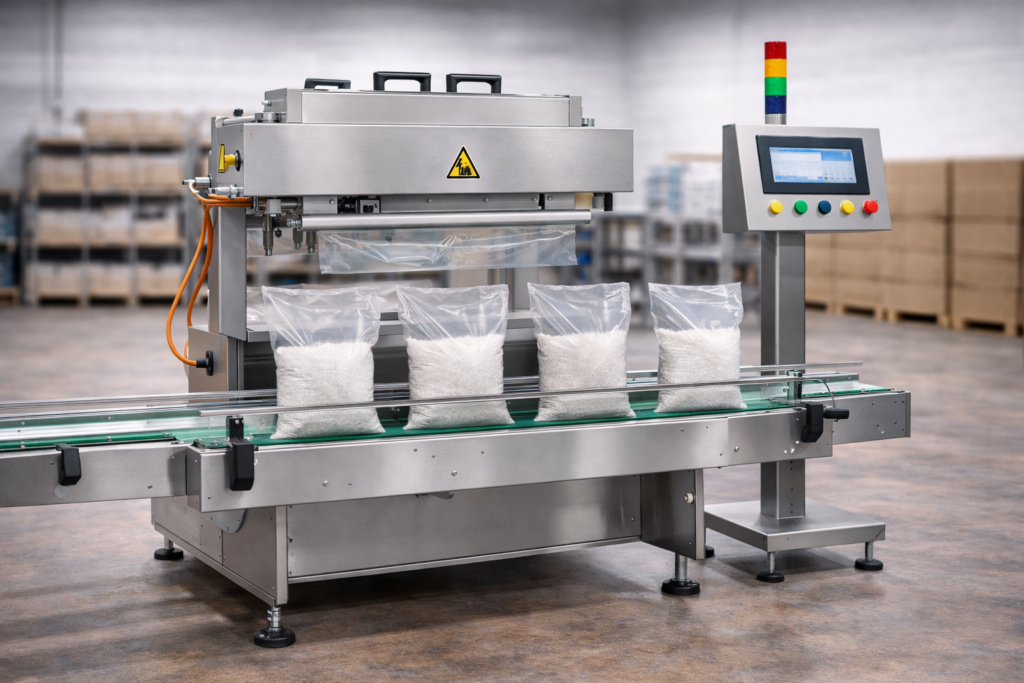
What is a Weld Sealing Machine? Uses & Buying Guide Introduction In industries where strong and airtight sealing is required, a Weld Sealing Machine plays a vital role. It is widely used for sealing plastic materials using heat or ultrasonic welding, ensuring durability and leak-proof packaging. This machine is ideal for applications where traditional sealing methods like tape or glue are not sufficient. What is a Weld Sealing Machine? A sealing machine that seals a package, usually metal, by welding. It is commonly used for sealing: Plastic bags Pouches Industrial packaging materials How Does it Work? Plastic materials are placed between sealing jaws Heat or ultrasonic energy is applied Material melts at the joint Pressure is applied to fuse the materials The seal cools and solidifies Uses These machines are widely used in: Packaging Industry – Plastic pouches and bags Chemical Industry – Leak-proof packaging Food Industry – Airtight sealing of products Industrial Packaging – Heavy-duty materials Detergent & FMCG – Powder and liquid packaging Types of Weld Sealing Machines 1. Heat Weld Sealing Machine Uses heat and pressure Common for plastic packaging 2. Ultrasonic Welding Machine Uses ultrasonic vibrations High precision and clean sealing 3. Impulse Sealing Machine Heats only during sealing Energy-efficient option Key Factors to Consider Before Buying a Pre-Owned Weld Sealing Machine Factor What to Check Machine Condition Check sealing jaws and heating elements Sealing Strength Ensure strong and durable weld Material Compatibility Suitable for plastic type and thickness Sealing Width & Length As per packaging requirement Temperature Control Adjustable and stable heat settings Production Speed Output per minute Maintenance History Service records and usage Spare Parts Availability Easily available parts in India Power Consumption Efficiency of machine Seller Credibility Buy from verified and trusted sellers   Final Thoughts A weld sealing machine is essential for businesses that require strong, airtight, and reliable sealing. Choosing the right machine, especially a well-maintained used one, can improve packaging quality and reduce operational risks. Need the Pre-Owned Weld Sealer?? Finding the right machine can be confusing – but it doesn’t have to be. Want to Buy a Machine? submit your requirement Want to Sell Your Machine? List your equipment FAQs What is the price of weld sealer in India? The price of a weld sealer in India ranges from ₹20,000 to ₹3,00,000+, depending on type and capacity. What is the price of used weld sealer? A used weld sealer typically costs between ₹15,000 to ₹1,50,000, based on condition and specifications. What are the types of weld sealer? Common types include heat welding machines, ultrasonic sealing machines, and impulse sealing machines. The price of a weld sealer in India ranges from ₹20,000 to ₹3,00,000+, depending on type and capacity. A used weld sealer typically costs between ₹15,000 to ₹1,50,000, based on condition and specifications. Common types include heat welding machines, ultrasonic sealing machines, and impulse sealing machines.

Weld Sealing Machine Read More »

Crimp Closing Machine

Crimp Closing Machine

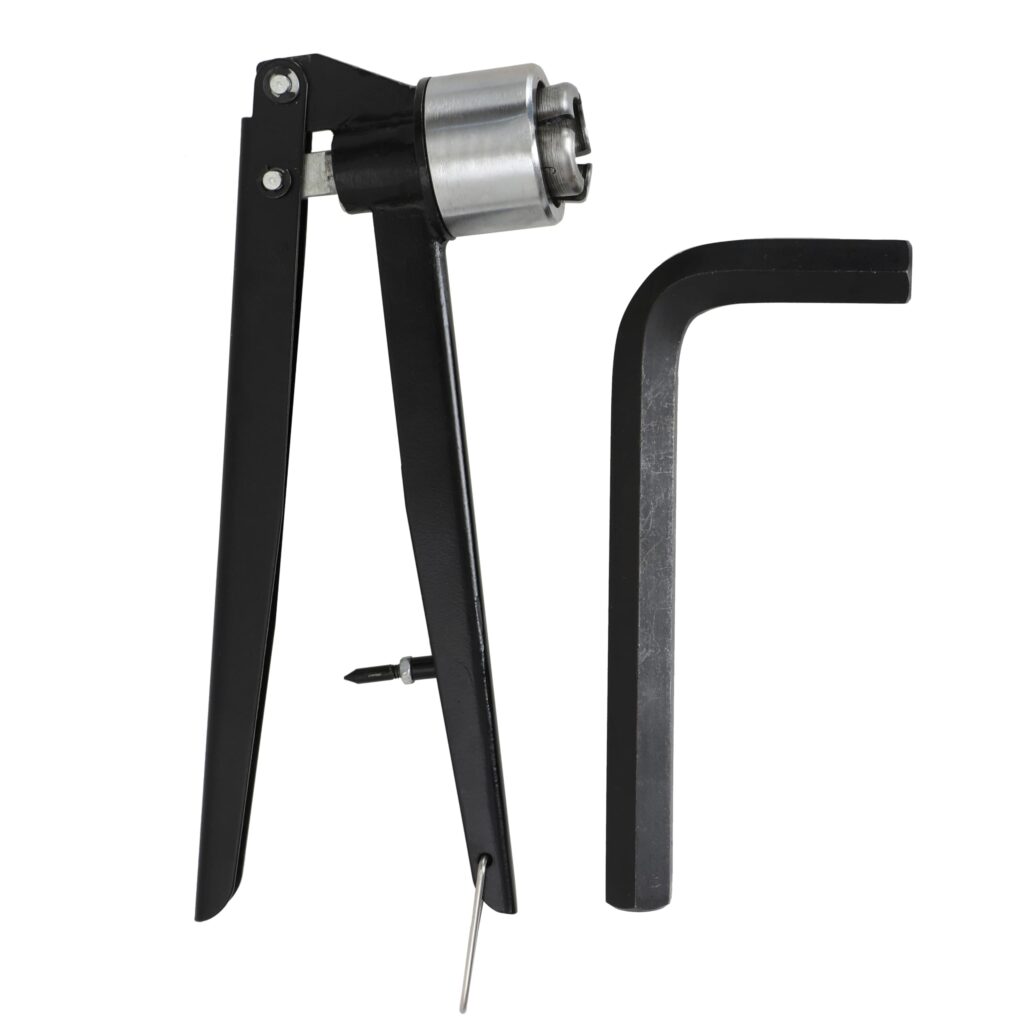
Crimp Closing Machine: Efficient Solution for Secure Bag Sealing Introduction A Crimp Closing Machine: Efficient Solution for Secure Bag Sealing is a packaging machine designed to seal bags by folding and pressing the top edges using a crimping mechanism. This process creates a tight and secure closure, ensuring that the contents remain protected from leakage, contamination, and external environmental factors. Crimp closing is widely used in industries where product safety, durability, and tamper resistance are important, such as food, chemicals, and industrial packaging. Its reliability and ease of operation make it a preferred choice for efficient and consistent bag sealing applications. What is a Crimp Closing Machine? A Crimp Closing Machine is a closing machine used to seal packages usually bags or collapsible tubes by crimping, where the edges are folded and pressed to create a tight, secure, and leak-resistant closure. Key Features Strong and secure sealing mechanism Suitable for industrial bag packaging High-speed operation for bulk handling Consistent sealing quality Easy integration with conveyor systems Durable construction for long-term use Types Of Crimp Closing Machine 1. Manual Crimp Closing Machine A manual crimp closing machine is ideal for small-scale operations where manual sealing is sufficient. It is cost-effective, easy to use, and requires minimal maintenance. 2. Slat Counter Machine A slat counter machine is designed for accurate counting and filling of items like tablets, capsules, or small products. It is suitable for medium to high-speed production with consistent performance. 2. Automatic Crimp Closing Machine An automatic crimp closing machine is designed for high-speed sealing with minimal human intervention. It ensures consistent crimp quality and is ideal for large-scale production lines. Key Factors to Consider Before Buying a Pre-Owned Crimp Closing Machine Factor What to Check Bag Type Suitable for paper or industrial sacks Sealing Strength Quality and durability of crimp Production Capacity Output per hour requirement Compatibility Fits with packaging line Build Quality Heavy-duty construction Automation Level Manual or automatic Maintenance Ease of servicing Spare Parts Availability of components Cost vs Value Compare performance with price Looking to Buy or Sell a Crimp Closing Machine? If you are planning to buy or sell this type of packaging equipment, SurplusPack helps you connect with genuine buyers and sellers. Want to Buy a Machine? submit your requirement Want to Sell Your Machine? List your equipment FAQs What is a Crimp Closing Machine? A Crimp Closing Machine is used to seal bags by folding and pressing the edges to create a secure and tight closure. How does a Crimp Closing Machine work? It uses mechanical pressure to crimp and seal the bag opening, ensuring a firm and reliable seal. What materials can be sealed using this machine? Mainly plastic bags, laminated pouches, and flexible packaging materials. What are the types of Crimp Closing Machines? Manual, semi-automatic, and automatic crimp closing machines. What factors should be considered before buying? Consider bag type, sealing strength, automation level, and production capacity. A Crimp Closing Machine is used to seal bags by folding and pressing the edges to create a secure and tight closure. It uses mechanical pressure to crimp and seal the bag opening, ensuring a firm and reliable seal. Mainly plastic bags, laminated pouches, and flexible packaging materials.Manual, semi-automatic, and automatic crimp closing machines. Consider bag type, sealing strength, automation level, and production capacity.

Crimp Closing Machine Read More »

Tuck Closing Machine

Tuck Closing Machine

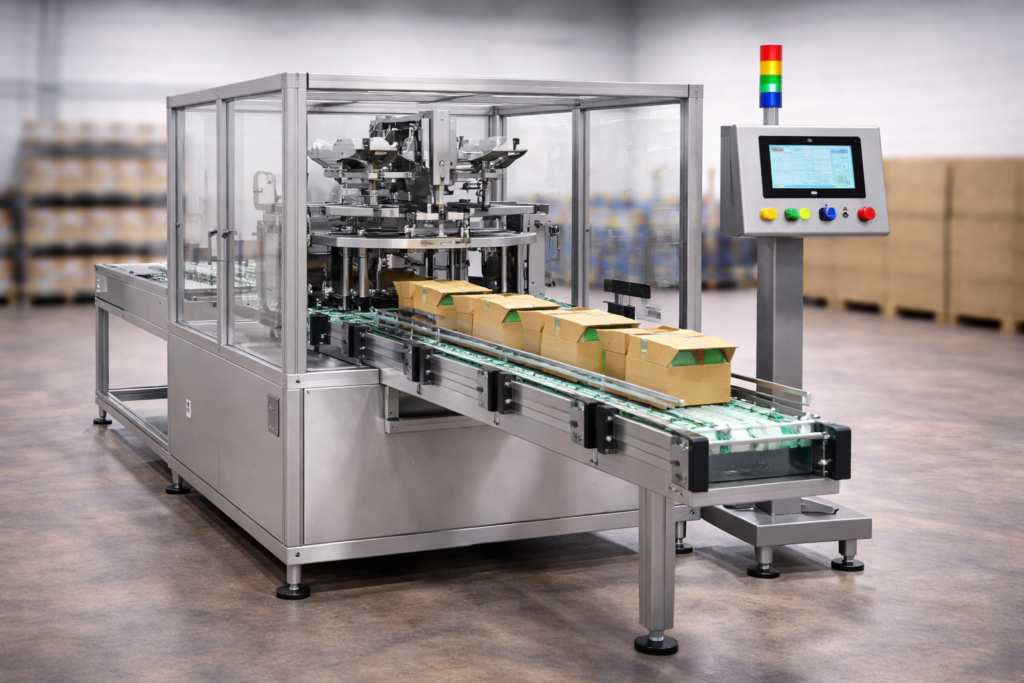
What is a Tuck Closing Machine? Uses & Buying Guide Introduction In the packaging industry, proper sealing of cartons is essential for product safety and presentation. A Tuck Closing Machine is designed to close carton flaps neatly without using glue or tape. It is widely used in industries like pharmaceuticals, cosmetics, and FMCG where carton packaging with tuck flaps is common. What is a Tuck Closing Machine? A closing machine that closes a package, usually a carton, by engaging pre-cut tabs and slots. Unlike sealing machines, it does not use adhesives. Instead, it folds and locks the carton flaps into place. How Does it Work? Filled cartons move on a conveyor Machine aligns the carton flaps Tuck flaps are folded inward Flaps are locked securely into position Closed cartons move forward for dispatch Uses These machines are commonly used in: Pharmaceutical Industry – Medicine cartons Cosmetics – Creams, lotions, personal care products FMCG Products – Packaged goods Food Industry – Small carton-packed items Retail Packaging Units Types of Tuck Closing Machines 1. Semi-Automatic Type Requires operator assistance Suitable for small-scale operations  2. Automatic Type Fully automated High-speed production 3. Inline Tuck Closing System Integrated with packaging line Used in large-scale industries Key Factors to Consider Before Buying a Pre-Owned Tuck Closing Machine Factor What to Check Machine Condition Check folding mechanism and conveyor system Carton Compatibility Supports required carton sizes and styles Closing Accuracy Proper and secure flap locking Production Speed Cartons per minute (CPM) Adjustment Flexibility Easy size changeover Build Quality Strong and durable structure Maintenance History Service records and past usage Spare Parts Availability Easily available parts in India Power Consumption Efficiency of older machines Seller Credibility Buy from verified and trusted sellers   Looking to Buy or Sell a Machine? If you are planning to buy or sell a Tuck Closing Machine, SurplusPack helps you connect with genuine buyers and sellers. Want to Buy a Machine? submit your requirement Want to Sell Your Machine? List your equipment

Tuck Closing Machine Read More »

Fold Closing Machine

Fold Closing Machine

Fold Closing Machine: Efficient Bag Sealing Machine Introduction A Fold Closing Machine is an industrial packaging solution designed to fold and seal the top of filled bags, ensuring secure closure and product safety. These machines are widely used in industries such as food processing, agriculture, chemicals, and bulk packaging. They are especially suitable for paper bags, multi-wall sacks, and woven bags, where proper sealing is essential for storage and transportation. What is a Fold Closing Machine? A closing machine which seals a package, usually a bag or collapsible tube, by folding. Key Features of Fold Closing Machine Efficient bag folding and sealing system Suitable for various bag types High-speed operation for bulk packaging Strong and secure sealing Easy integration with conveyor systems Durable industrial construction Key Industries and Applications These machines are widely used in industries requiring secure bag closure and efficient packaging: Food Industry Flour, grains, sugar packaging Agriculture Seeds, fertilizers Chemical Industry Powder and bulk chemicals Types of Fold Closing Machines 1. Manual Fold Closing Machine Suitable for small-scale operations Cost-effective 2. Automatic Fold Closing Machine High-speed and fully automated Ideal for large-scale industries Key Factors to Consider Before Buying a Pre-Owned fold closing machine Factor What to Check Bag Type Suitable for paper or woven bags Sealing Method Adhesive, heat or stitching Production Capacity Output per hour requirement Machine Compatibility Fits with packaging line Build Quality Heavy-duty construction Automation Level Manual or automatic Maintenance Ease of cleaning and servicing Spare Parts Availability of components Cost vs Value Compare performance with price Looking to Buy or Sell a Fold Closing Machine? If you are planning to buy or sell a fold closing machine, SurplusPack helps you connect with genuine buyers and sellers. Want to Buy a Machine? submit your requirement Want to Sell Your Machine? List your equipment

Fold Closing Machine Read More »

Count Filling Machine

Count Filling Machine

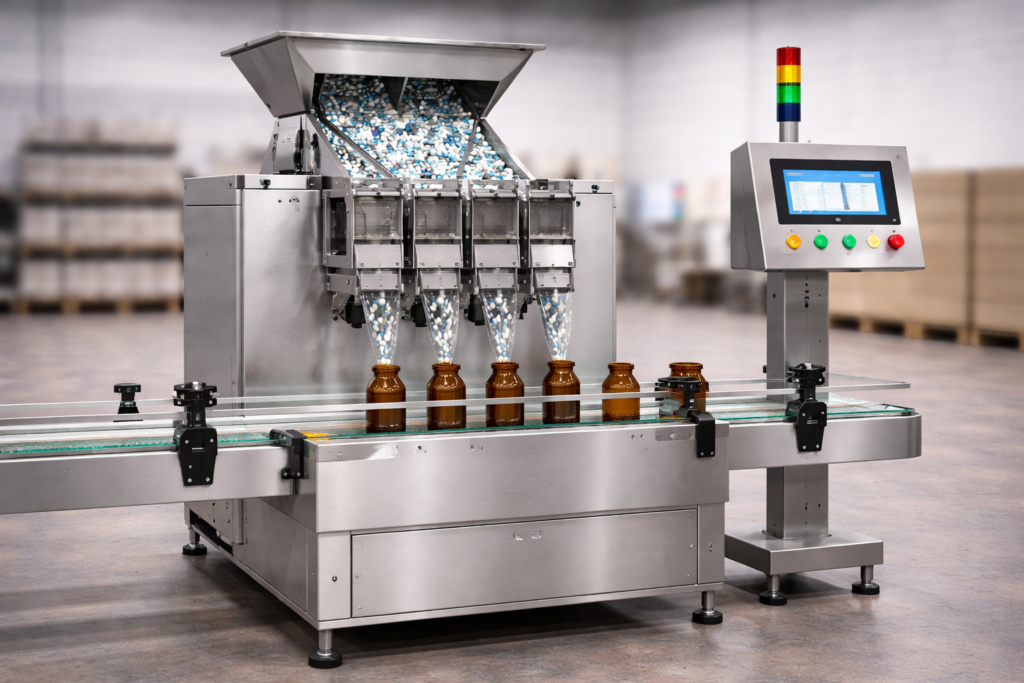
What is a Count Filling Machine? Uses & Buying Guide Introduction In industries where “one extra” or “one missing” piece affects your bottom line and consumer trust, weight-based filling just doesn’t cut it. Whether you are bottling 30 high-value supplement capsules or bagging 50 stainless steel bolts, you need a Count Filling Machine. Often referred to as Capsule Counters in the pharma world, these machines are the gold standard for high-speed, unit-accurate packaging. What is a Count Filling Machine? A Count Filling Machine is a specialized packaging system designed to dispense a precise number of solid items into a container. Unlike volumetric or net-weight fillers, these machines ignore the mass of the product and focus entirely on the individual unit. How the Counting Process Works Modern counters have moved far beyond simple mechanical gates. The process is a high-speed dance of vibration and light: Bulk Feeding: Product is loaded into a high-capacity hopper. Vibratory Separation: Three-stage vibratory trays gently separate the bulk product into single-file lanes. The “Eyes” (Detection): As the product drops, it passes through an infrared sensor array or a high-speed vision camera that registers the “break” in light. The Brain (Memory Flap): The machine’s computer tracks the count. Once the target (e.g., 60 units) is reached, a high-speed flap closes instantly, diverting the next units to a second filling head. Discharge: The counted batch drops into the bottle, which is then indexed away for capping. Key Applications Pharmaceuticals & Nutraceuticals: Hard gelatin capsules, soft gels, tablets, and caplets. Hardware: Screws, plastic wall anchors, nuts, and bolts. Food & Confectionery: Gumballs, wrapped candies, and premium chocolates. Kitting: Counting out specific components for DIY furniture or assembly kits. Choosing Your Technology: Types of Counters   Type How it Works Best For… Electronic Counter Uses IR sensors or Vision systems. High-speed, multi-product versatility (pills to hardware). Slat Counter Mechanical “slats” with holes pick up individual pills. Dedicated, ultra-high-speed pharmaceutical lines. Disc Counter A rotating glass or plastic disc with sized holes. Smaller operations or very specific, uniform tablet sizes. Important: Know the Limitations Before you buy, understand that counting machines have a different “enemy” than weight fillers: Dust Sensitivity: In uncoated tablet environments, dust can coat sensors and cause “false counts.” Look for machines with integrated dust extraction ports. Product Integrity: A counter cannot always tell the difference between a whole pill and two halves of a broken pill. Speed vs. Accuracy: Moving too fast can cause “overlapping” where two items pass the sensor at once, appearing as one. Key Factors to Consider Before Buying a Pre-Owned Count Filling Machine Factor What to Check Machine Condition Check sensors, channels, and hopper Counting Accuracy Ensure precise item counting Product Compatibility Suitable for size and shape of items Production Speed Bottles or packs per minute Counting System Electronic or mechanical type Jam Handling Smooth flow without blockage Maintenance History Service records and past usage Spare Parts Availability Easily available parts in India Power Consumption Efficiency of machine Seller Credibility Buy from verified and trusted sellers   The Pre-Owned Buyer’s Checklist If you are looking at a used machine on SurplusPack, keep these “Pro” factors in mind: Sensor Health: Ask for a “count repeatability” test. A healthy machine should hit the exact count 100 times out of 100. Changeover Simplicity: Does the machine require “change parts” (different trays/slats) for different products? Tool-less changeover is a massive time-saver. Contact Parts: Ensure all parts touching the product are SS 316 (for pharma/food) and are easy to remove for sterilization. Reject System: Does the machine have an automatic reject gate for bottles with incorrect counts? This prevents a small error from stopping your entire line. Ready to Automate Your Counting? Stop losing money on product giveaway and start delivering exact quantities. At SurplusPack, we help you find vetted, high-performance Count Filling Machines and Capsule Counters that fit your production scale and budget Want to Buy a Machine? submit your requirement Want to Sell Your Machine? List your equipment

Count Filling Machine Read More »