pawanarang

Glue Sealing Machine

Glue Sealing Machine

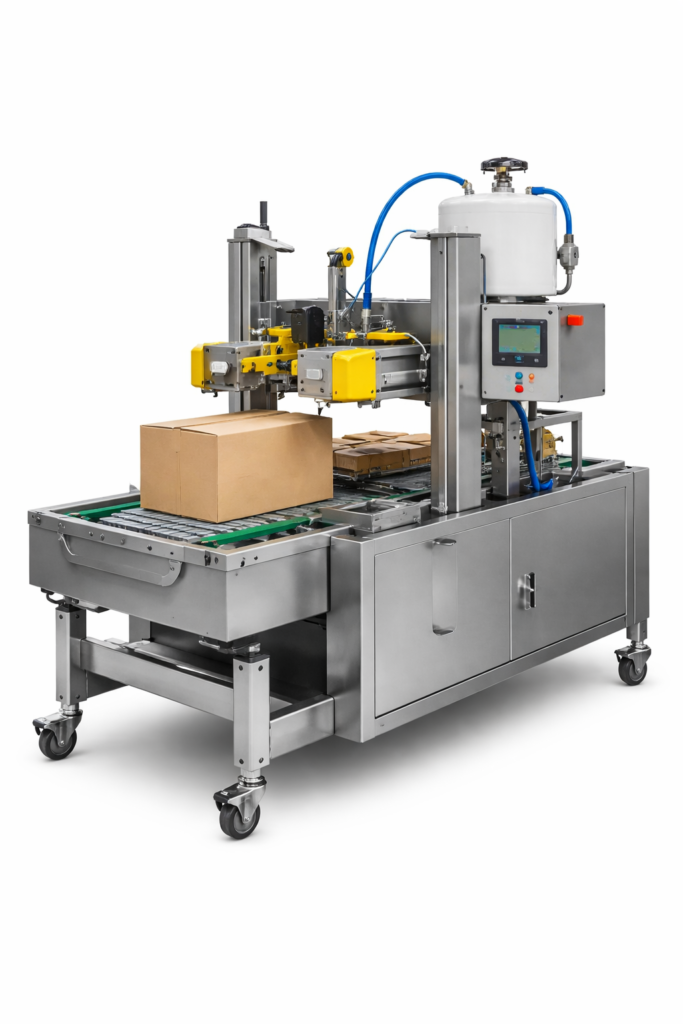
Glue Sealing Machine: A Practical Guide to Adhesive Carton Sealing Introduction to Glue Sealing Machine A glue sealing machine uses hot melt or cold adhesive to bond the flaps of a carton shut no tape edges sticking out, no staples that could damage contents or injure handlers. The result is a clean, flat seal that holds reliably through transit and handling. These machines are a staple (pun intended) in industries where both presentation and throughput matter: FMCG production lines, e-commerce fulfillment centers, pharmaceutical packaging, and food processing facilities, among others. What is a Glue Sealing Machine? A Glue Sealing Machine is a packaging machine that applies adhesive to carton flaps to create a strong bond. Unlike traditional methods like tape or staples, it provides a clean and professional seal. It is commonly used in automated packaging systems where efficiency and consistency are important. How It Works The process is straightforward. Cartons are fed onto a conveyor, and the machine’s guides automatically square up the flaps. A glue application head — typically a nozzle or roller system — deposits adhesive onto the flap edges. Compression rollers then press the flaps together and hold them long enough for the bond to set. The sealed carton continues down the line, ready for labeling, palletizing, or dispatch. The whole cycle happens in seconds. On high-output lines, the unit can handle anywhere from 20 to 60+ cartons per minute depending on the model and carton size. Where These Machines Are Used E-commerce and logistics – High volumes of same-day dispatch make fast, reliable sealing critical. Adhesive sealing handles this better than manual tape application at scale. Food and beverage – Hygienic and residue-free inside the carton. Widely used for dry goods, cereals, and bottled products. Pharmaceuticals – Tamper-evident packaging often relies on adhesive sealing at the secondary packaging stage. Consumer goods manufacturing – From electronics to homeware, clean carton presentation matters at retail. Types of Glue Sealing Machines 1. Manual The operator feeds cartons by hand and applies glue using a handheld or bench-mounted applicator. Suitable for very low volumes or irregular carton sizes. Low upfront cost, but slow and inconsistent at scale. 2. Semi-Automatic Cartons are fed manually, but glue application and flap pressing are automated. A good middle ground for medium-volume operations that can’t yet justify full automation. 3. Fully Automatic Cartons are fed, aligned, glued, pressed, and discharged without operator intervention. These systems integrate directly into production lines and are built for continuous, high-speed operation. Key Specs to Check When Buying (New or Pre-Owned) Factor What to Look For Machine condition Inspect nozzles, conveyor belts, and compression rollers Carton size range Min/max dimensions the unit can handle Sealing speed Cartons per minute (CPM) at rated capacity Glue compatibility Hot melt, cold glue, or both Automation level Manual, semi-auto, or fully automatic Power requirements Voltage and energy consumption Spare parts availability Whether components are still in production Seller reputation Service history, warranty terms, references   Final Word For businesses running medium-to-high volumes, a glue sealing machine delivers a noticeably cleaner result than tape sealed cartons look better, handle better, and are more tamper-resistant. The trade-off is higher upfront investment and a bit more maintenance discipline. If you’re evaluating pre-owned equipment, prioritize units from reputable OEMs where spare parts are still available. A cheap machine with no service support will cost more in the long run. Looking to Buy a Pre-Owned Machine? Share your requirement and connect with trusted sellers offering reliable packaging solutions tailored to your business needs. FAQs What is a Glue Sealing Machine used for? A Glue Sealing Machine is used to seal cartons and boxes using adhesive, ensuring strong and clean packaging for various industries. How does a Glue Sealing Machine work? It applies adhesive to carton flaps and presses them together to create a secure bond, resulting in a neat and durable seal. Which industries commonly use this machine? It is widely used in logistics, e-commerce, food processing, manufacturing, and retail packaging industries. What are the advantages of glue sealing over tape sealing? Glue sealing provides a cleaner finish, stronger bonding, and reduces material waste compared to traditional tape sealing. A Glue Sealing Machine is used to seal cartons and boxes using adhesive, ensuring strong and clean packaging for various industries. It applies adhesive to carton flaps and presses them together to create a secure bond, resulting in a neat and durable seal.It is widely used in logistics, e-commerce, food processing, manufacturing, and retail packaging industries.Glue sealing provides a cleaner finish, stronger bonding, and reduces material waste compared to traditional tape sealing.

Glue Sealing Machine Read More »
Clip Closing Machine

Clip Closing Machine

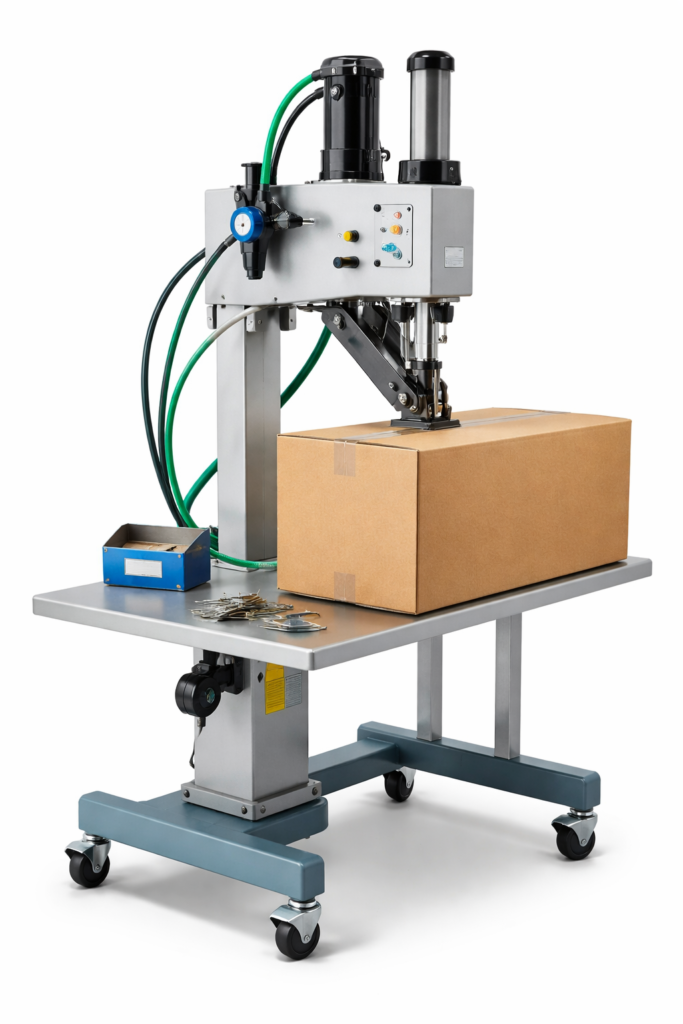
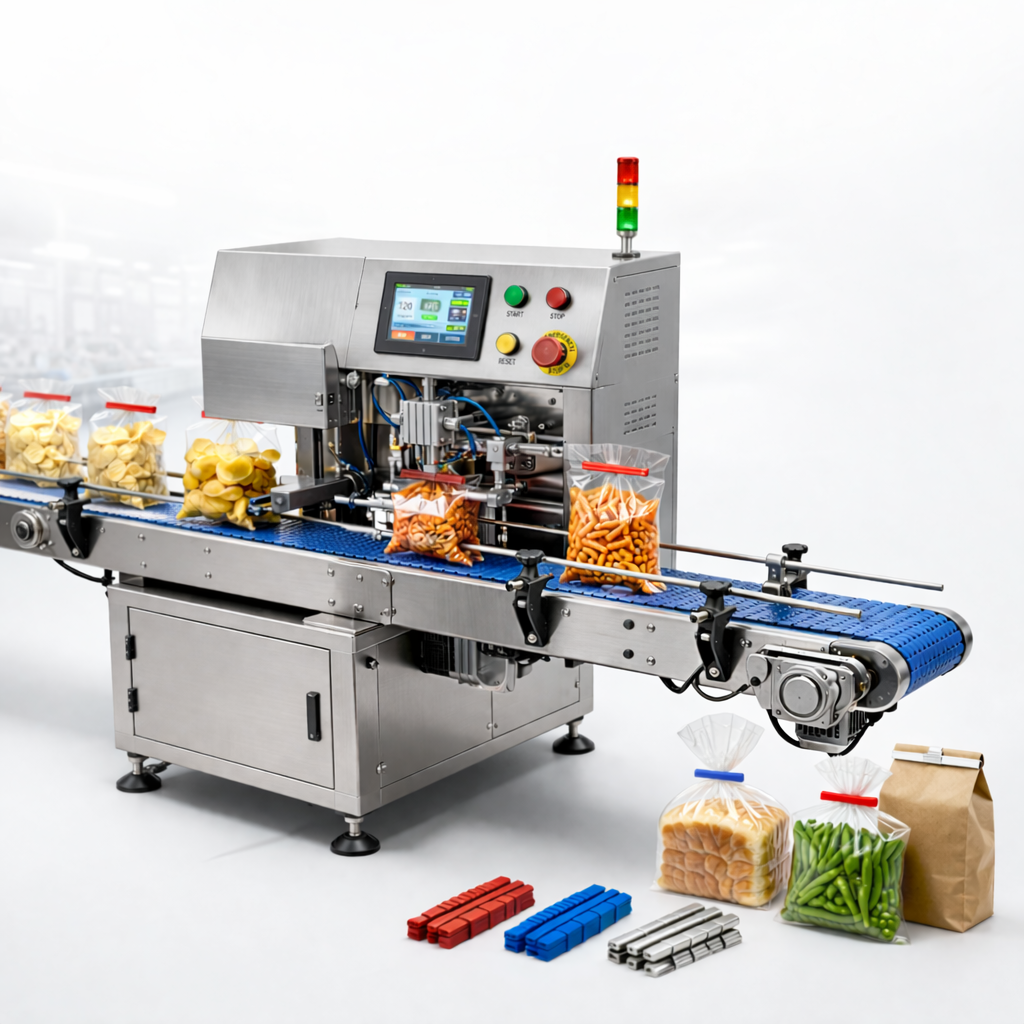
Clip Closing Machine for Bag Sealing: Types, Uses & Buying Guide Introduction to Clip Closing Machine A Clip Closing Machine bag sealing machine is a highly efficient packaging solution used for sealing bags with clips to ensure product safety and freshness. It is widely used in food, pharmaceutical, and industrial packaging industries where secure and quick sealing is required. This system helps improve productivity while maintaining consistent and reliable packaging quality. What is a Clip Closing Machine? This packaging equipment is designed to close bags using metal or plastic clips. It provides a tight seal, making it ideal for products that require temporary yet secure closure. It is commonly used for packaging items like bread, snacks, vegetables, and other consumables. How Does the Machine Work? The working process is simple and efficient: The filled bag is placed on the conveyorThe open end of the bag is positioned for sealingA clip is applied to close the bagThe clip is tightened securelyThe sealed bag moves forward for further handling Uses This system is widely used in: Food Industry – Bread, snacks, fruits, vegetablesPharmaceuticals – Medical and disposable productsRetail Packaging – Grocery and daily-use itemsIndustrial Packaging – Small parts and components Limitations Before investing, consider: Not suitable for airtight or vacuum sealingClips require regular refillingLimited use for very heavy packagingMaintenance needed for smooth operation Types Of Clip Closing Machine 1. Manual Type A manual clip closing machine is ideal for small-scale operations and is easy to use with minimal setup. It is a cost-effective solution suitable for low-speed packaging in small businesses and retail units. 2. Semi-Automatic Type A semi-automatic clip closing machine offers improved efficiency by combining manual handling with automated sealing. It is suitable for medium-scale operations, providing better speed and consistency compared to manual systems. 3. Automatic Type An automatic clip closing machine is designed for high-speed operations with minimal manual intervention. It is ideal for large-scale production, ensuring consistent sealing, higher productivity, and efficient workflow. Key Factors to Consider Before Buying a Pre-Owned Clip Closing Machine Factor What to Check Machine Condition Check clipping mechanism Compatibility Suitable for bag size and material Sealing Quality Strong and consistent closure Production Speed Bags per minute (BPM) Automation Manual, semi or automatic Build Quality Durable construction Maintenance Ease of servicing Spare Parts Availability in market Power Consumption Efficiency Seller Credibility Trusted supplier Final Thoughts A clip-based sealing system is an ideal solution for businesses looking for fast, efficient, and secure bag sealing. Choosing the right equipment can improve productivity and ensure consistent packaging quality. Looking to Buy a Pre-Owned Machine? Share your requirement and connect with trusted sellers offering reliable packaging solutions tailored to your needs. FAQs How does a Clip Closing Machine improve packaging efficiency? It automates the bag sealing process, reducing manual effort and increasing speed, which helps improve overall production efficiency. What kind of clips are used in this machine? These machines use metal or plastic clips depending on the application, ensuring strong and reliable bag closure. Can this machine be integrated into an existing packaging line? Yes, most models can be easily integrated with conveyors and other packaging equipment for smooth operations. Is it suitable for sealing perishable food products? Yes, it is widely used for sealing food items like bread, vegetables, and snacks to maintain freshness. It automates the bag sealing process, reducing manual effort and increasing speed, which helps improve overall production efficiency.These machines use metal or plastic clips depending on the application, ensuring strong and reliable bag closure.Yes, most models can be easily integrated with conveyors and other packaging equipment for smooth operations.Yes, it is widely used for sealing food items like bread, vegetables, and snacks to maintain freshness.

Clip Closing Machine Read More »

Nail Closing Machine

Nail Closing Machine

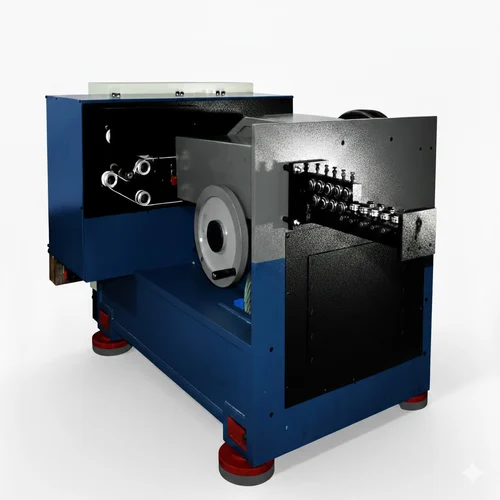
Nail Closing Machine: Strong & Reliable Solution for Wooden Packaging Introduction A nail closing machine is a robust packaging solution designed to seal wooden boxes and crates with strong fastening. It is widely used in logistics, export, and manufacturing industries where durability and safety are essential. This system improves packaging efficiency while ensuring secure handling during transportation. What is a Nail Closing Machine? This equipment is designed to drive nails into wooden packaging materials, creating a firm and long-lasting seal. It is ideal for heavy-duty applications where other sealing methods may not provide sufficient strength. It ensures stability and protection of goods during storage and shipping. How a Nail Closing Machine Works The working process is simple and efficient: Wooden panels or crate flaps are properly alignedThe machine positions the nail accuratelyControlled force drives the nail into the surfaceThe joint is secured firmlyThe sealed crate is ready for handling Uses This system is widely used across multiple industries: Logistics & Export – Sealing wooden crates for shippingManufacturing – Packaging heavy machineryWarehousing – Secure storage solutionsConstruction – Fastening wooden structures Limitations Before investing, consider the following points: Suitable only for wooden materials Requires proper alignment for accuracy Produces noise during operation Needs regular maintenance Types of Nail Closing Machines Manual Type Suitable for small-scale operations. Cost-effective and easy to operate. Pneumatic Type Uses compressed air for faster and more efficient performance. Ideal for medium-scale production. Automatic Type Designed for high-speed operations with minimal manual effort. Best suited for large-scale industries. Key Factors to Consider Before Buying a Nail Closing Machine Factor What to Check Machine Condition Check nailing head and mechanism Compatibility Suitable for wood thickness Sealing Quality Strong and consistent fastening Production Speed Crates per minute Automation Manual, pneumatic, or automatic Build Quality Durable construction Maintenance Ease of servicing Spare Parts Availability in market Power Requirement Air or electric Seller Credibility Trusted supplier Final Thoughts A nail closing machine is an essential investment for industries requiring strong wooden packaging. Choosing the right system can improve efficiency, ensure safety, and deliver long-lasting sealing performance. Looking to Buy or Sell a Nail Closing Machine? Share your requirements and connect with trusted buyers and sellers offering reliable packaging solutions tailored to your needs. FAQs What is a nail closing machine used for? It is used to seal wooden boxes, crates, and pallets by driving nails for strong and durable packaging. What is the price of a nail closing machine in India? The price depends on the type, automation level, and brand. Manual machines are more affordable, while automatic systems are higher in cost. Is a nail closing machine better than stapling or taping? Yes, for wooden packaging. It provides stronger and more durable fastening compared to stapling or taping. Should I buy a new or pre-owned machine? If budget is a concern, a well-maintained pre-owned machine can be a cost-effective option. For long-term use and advanced features, a new machine is recommended. It is used to seal wooden boxes, crates, and pallets by driving nails for strong and durable packaging.The price depends on the type, automation level, and brand. Manual machines are more affordable, while automatic systems are higher in cost.Yes, for wooden packaging. It provides stronger and more durable fastening compared to stapling or taping.If budget is a concern, a well-maintained pre-owned machine can be a cost-effective option. For long-term use and advanced features, a new machine is recommended.

Nail Closing Machine Read More »

Staple Closing Machine

Staple Closing Machine

Staple Closing Machine: Heavy-Duty Solutions for Secure Carton Sealing Introduction to the Staple Closing Machine For industries dealing with heavy-weight goods or rigorous shipping conditions, the staple closing machine remains the gold standard for structural integrity. Unlike adhesive or tape, which can fail under extreme temperatures or high tension, a stapler machine uses industrial-grade metal fasteners to mechanically lock carton flaps together. This system is a staple in logistics, heavy manufacturing, and export warehousing where a “zero-fail” sealing policy is required. What is a Staple Closing Machine? This equipment is designed to close cartons by inserting and clinching metal staples for a firm seal. It is ideal for heavy-duty packaging where adhesive or tape may not be sufficient. It ensures durability and secure closure during transit. How the Mechanical Stapling System Works The operation of a professional staple closing machine involves a high-pressure clinching mechanism: Alignment: The carton flaps are folded and positioned under the clinching head. Staple Driving: The machine drives a wide-crown staple through the double-wall or triple-wall corrugated board. Clinching: As the staple penetrates the board, the machine’s “anvils” curve the staple legs upward and back into the underside of the corrugated material. Security Check: The resulting “blind clinch” ensures the staple does not protrude into the box, protecting the internal contents while providing maximum pull-strength. Key Industrial Applications Export Shipping: Essential for sea freight where humidity can cause tape adhesive to fail. Heavy Manufacturing: Ideal for appliances, automotive parts, and machinery components. Bulk Food Distribution: Used for large-scale “master cases” that hold multiple smaller retail units. Operational Constraints While a staple closing machine offers unmatched strength, businesses should note: Substrate Requirements: Not recommended for thin, single-wall fluting as the staple may tear the board. Safety & Disposal: End-users must use tools to open stapled cartons, and the metal must be separated for recycling. Tooling Wear: The driver blades and anvils require periodic sharpening or replacement. Equipment Classifications Depending on your $BPM$ (Boxes Per Minute) requirements, systems are categorized by power source: Manual Hand Staplers: Best for low-volume top-sealing or onsite repairs. Pneumatic Systems: Utilizing compressed air, a pneumatic stapler machine offers high speed and reduced operator fatigue for medium-scale lines. Fully Automatic Case Staplers: Integrated into conveyor lines to sense box height and apply multiple staples simultaneously without manual intervention. Technical Checklist: Buying a Pre-Owned Staple Closing Machine When evaluating secondary market equipment, focus on the mechanical wear points: Factor Critical Verification Clinch Adjustment Ensure the “depth of penetration” and “tightness” settings are functional. Head Condition Inspect the driver blade and anvils for chips or misalignment. Magazine Capacity Check for compatibility with standard coil or stick staple sizes. Air Consumption For pneumatic models, verify $CFM$ (Cubic Feet per Minute) requirements. Safety Features Confirm the presence of finger guards and trigger lockouts. Final Thoughts A staple closing machine is a critical investment for businesses moving high-density or high-value products. By choosing a mechanical closure, you significantly reduce the risk of transit damage and tampering. Looking for a Reliable Packaging Solution? Whether you are scaling up your warehouse or replacing an aging unit, we can connect you with vetted suppliers of both new and refurbished stapling systems. Share your box dimensions and daily volume to get started. FAQs What is a Staple Closing Machine used for? A Staple Closing Machine is used to seal cartons and boxes using metal staples, ensuring strong and secure packaging. What is the price of a Staple Closing Machine in India? The price typically ranges from ₹20,000 to ₹2,50,000 or more, depending on machine type, automation, and capacity. Is a Staple Closing Machine better than tape sealing? Yes, it provides stronger and more durable sealing, especially for heavy or bulk packaging, compared to tape sealing. What is the production capacity of these machines? Production capacity varies from 5–10 boxes per minute for manual machines to 30+ boxes per minute for automatic systems. A Staple Closing Machine is used to seal cartons and boxes using metal staples, ensuring strong and secure packaging. The price typically ranges from ₹20,000 to ₹2,50,000 or more, depending on machine type, automation, and capacity. Yes, it provides stronger and more durable sealing, especially for heavy or bulk packaging, compared to tape sealing. Production capacity varies from 5–10 boxes per minute for manual machines to 30+ boxes per minute for automatic systems.

Staple Closing Machine Read More »

Aerosol Valve Closing Machine

Aerosol Valve Closing Machine

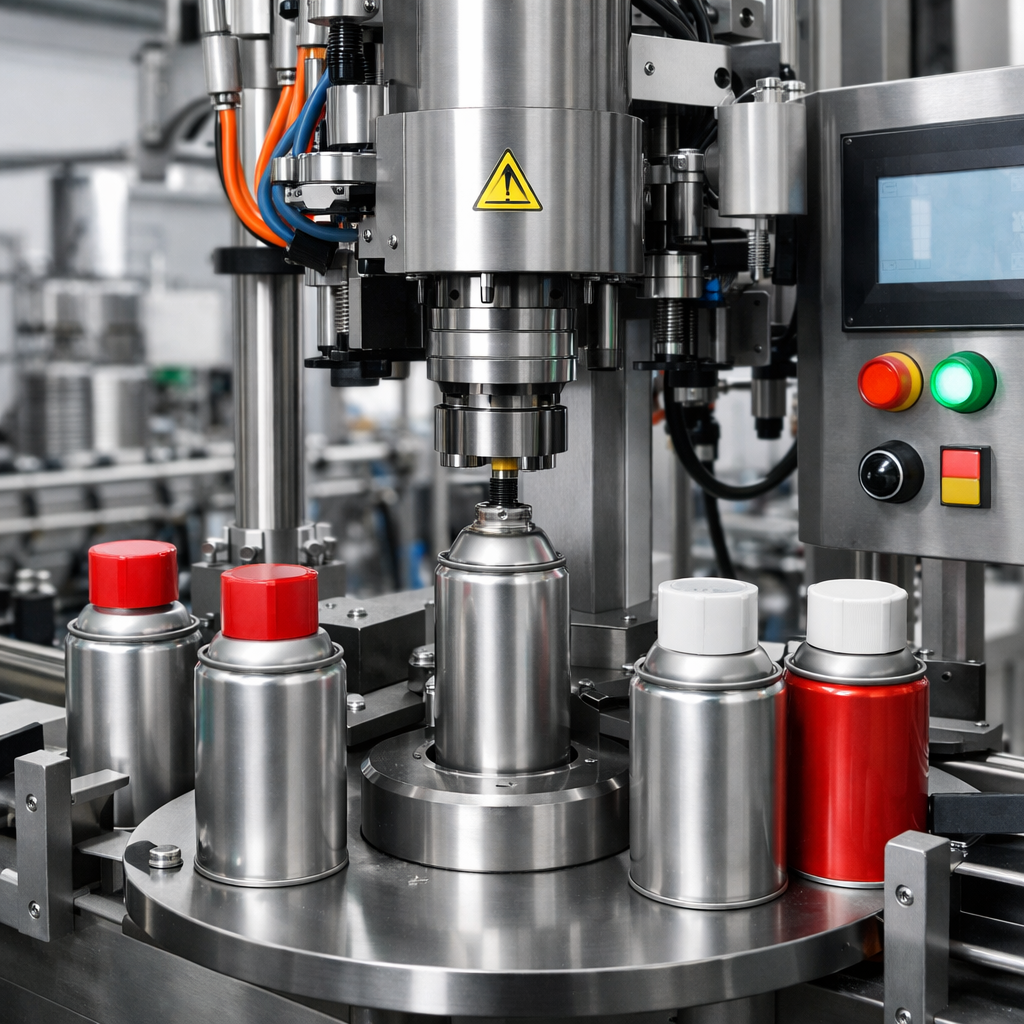
Aerosol Valve Closing Machine: The Standard for Leak-Proof Can Sealing Introduction In the production of pressurized goods, the aerosol valve closing machine is the most critical component for ensuring consumer safety and product shelf-life. Unlike standard capping equipment, this specialized system performs a high-precision mechanical crimp to fuse the valve cup to the container. Whether manufacturing personal care products or industrial lubricants, it is essential for achieving the hermetic seal required to hold internal pressure. What is an Aerosol Valve Closing Machine? This equipment is designed to crimp and fix valves onto aerosol cans with high precision. It ensures tight sealing to prevent leakage and maintain product integrity. It plays a key role in packaging pressurized products like sprays and aerosols. How the Crimping Process Works The functionality of an aerosol valve closing machine relies on precise calibration to ensure the valve is neither under-crimped (leading to leaks) nor over-crimped (damaging the gasket). The process typically follows these technical steps: Positioning: The filled aerosol can is centered directly beneath the crimping head. Valve Placement: The valve assembly is seated onto the can’t opening (the “1-inch opening” is the industry standard). The Crimp: The collet of the aerosol valve closing machine expands or contracts to deform the valve cup into the “curl” of the can. Verification: The machine ensures the crimp diameter and depth meet the exact specifications required for a gas-tight fit. Critical Industry Applications Cosmetics & Personal Care: High-speed sealing for deodorants, hairsprays, and shaving foams. Pharmaceuticals: Precision crimping for metered-dose inhalers and medical sprays where dosage accuracy is vital. Automotive & Chemical: Securing valves for spray paints, degreasers, and pressurized lubricants. Household Goods: Reliable sealing for air fresheners and disinfectant sprays. Operational Considerations Operating an aerosol valve closing machine requires attention to technical variables: Pressure Testing: Finished cans must undergo a water bath or electronic leak test to verify the seal. Component Matching: The crimping head must be perfectly matched to the specific valve cup material (aluminum or tinplate). Maintenance: Periodic inspection of the crimping jaws is necessary to prevent “burrs” or uneven sealing. Tiered Automation Levels Manual Lab Units: Best for R&D departments and very small batch boutique production. Semi-Automatic Systems: Usually bench-top models where the operator places the can, and the aerosol valve closing machine performs the crimp via a foot pedal or button. Fully Automatic Rotary Lines: Designed for 24/7 manufacturing, these systems can process hundreds of cans per minute with integrated “No Can–No Crimp” safety sensors. Technical Checklist: Buying a Pre-Owned Aerosol Valve Closing Machine Factor Critical Verification Crimping Head Integrity Check the jaws/collets for wear or deformation. Adjustment Precision Verify that the crimp depth and diameter settings are easily adjustable. $CPM$ Efficiency Confirm the Cans Per Minute ($CPM$) aligns with your filling line speed. Construction Material Ensure stainless steel contact parts for pharmaceutical or cosmetic use. Safety Compliance Look for emergency stop hits and protective shielding around the crimp zone.   Final Thoughts Selecting the right aerosol valve closing machine is a foundational decision for any aerosol brand. A high-quality seal not only prevents costly product loss but also ensures the final user interacts with a safe, functional pressurized container. Looking for a Reliable Sealing Solution? Whether you need a high-speed automatic unit or a versatile semi-automatic model, sharing your can dimensions and propellant types will help us match you with the best available equipment. Contact us today to connect with trusted machinery suppliers. FAQs What is an Aerosol Valve Closing Machine used for? It is used to seal valves onto aerosol cans securely, ensuring leak-proof and safe packaging. Which industries use this machine? It is widely used in cosmetics, pharmaceuticals, chemical, and household product industries. What types of machines are available? Manual, semi-automatic, and automatic types are available based on production requirements. How does this machine work? It places a valve on the can and uses a crimping mechanism to seal it tightly and securely. It is used to seal valves onto aerosol cans securely, ensuring leak-proof and safe packaging. It is widely used in cosmetics, pharmaceuticals, chemical, and household product industries. Manual, semi-automatic, and automatic types are available based on production requirements. It places a valve on the can and uses a crimping mechanism to seal it tightly and securely.

Aerosol Valve Closing Machine Read More »

Seaming Machine

Seaming Machine

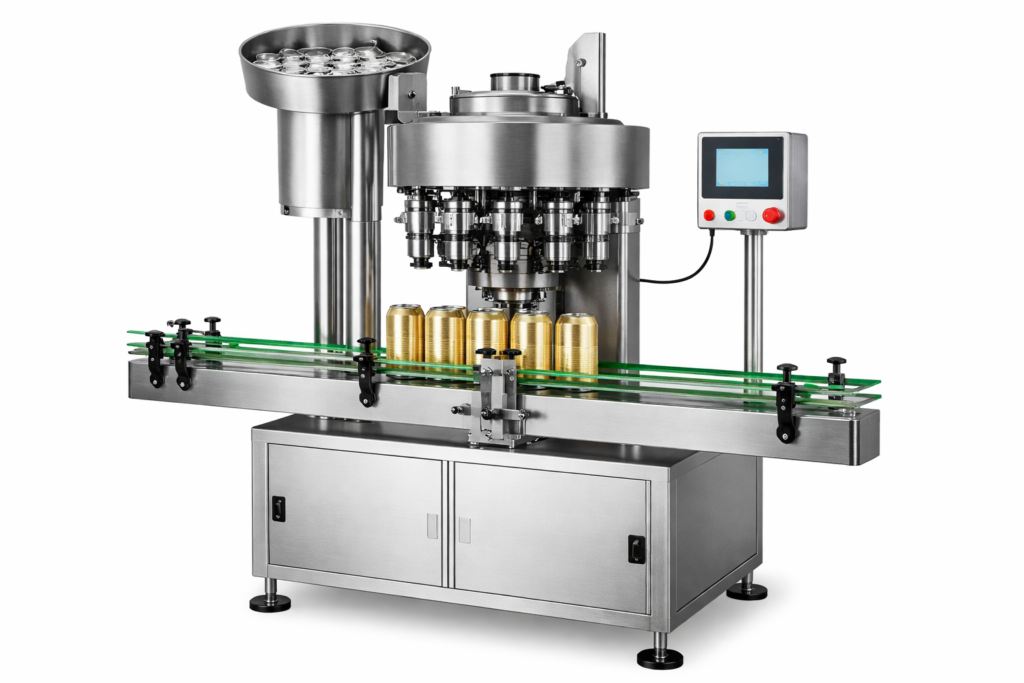
Seaming Machine: A Practical Guide to Airtight Can Sealing Introduction A seaming machine is industrial equipment used to seal lids onto metal cans by mechanically interlocking the edges of the lid and the can body. The result is what the industry calls a double seam — a hermetic closure that keeps contents sealed against air, moisture, and contamination. The process is deceptively simple in principle but highly precise in practice. Even a minor deviation in roller pressure or timing can compromise the seal and render an entire batch unsafe or unsaleable. What is a Seaming Machine? A closing machine which places a pre-formed lid on to the mouth of a can before rolling the edges of the lid and cantogether to form a seal.This process, known as double seaming, creates a hermetic seal that prevents leakage, contamination, and spoilage. How the Double Seaming Process Works The sequence follows the same basic steps across most machines: The filled can is positioned beneath the seaming head and held in place by a chuck that matches the can diameter A lid is placed on top of the can opening The first operation roller curls the lid flange and the can flange together, initiating the interlock The second operation roller compresses and tightens the fold, creating the finished hermetic seal The can is discharged and moves to the next stage of the line The entire operation takes a fraction of a second per can. On high-speed lines, a single unit can process several hundred cans per minute. Where These Machines Are Used Canned food — vegetables, fruits, sauces, and dairy products where a long unrefrigerated shelf life is non-negotiable Beverage cans — carbonated drinks, juices, and beer, where internal pressure makes seal integrity especially important Pharmaceutical containers — where sterility and tamper evidence are regulatory requirements Industrial products — paints, lubricants, and adhesives packaged in metal tins Pet food — relies on hermetic sealing to preserve palatability and nutritional value over extended storage Limitations Before investing, consider these limitations: Requires precise setup and calibrationNot suitable for non-rigid containersMaintenance is crucial for consistent sealing qualityImproper seaming can lead to leakage or spoilage Types of Can Seaming Equipment 1.Manual and Semi-Automatic Units The operator places containers and lids by hand, and the machine handles the seaming operation. Practical for small-batch production, craft beverage producers, or facilities running multiple can sizes without the volume to justify full automation. Lower capital cost, but limited throughput. 2. Automatic Seamers Fully integrated into production lines with automatic can feeding, lid placement, and discharge. Designed for continuous, high-speed operation with minimal manual involvement. The standard choice for any facility producing at scale. 3. Vacuum Seamers A variant that evacuates air from the headspace before sealing. This extends shelf life further and is commonly specified for coffee grounds, powdered products, and certain pharmaceutical applications where oxidation is a concern. Things to Consider Before Buying These are precise mechanical systems, and condition matters significantly when evaluating pre-owned equipment: Roller wear is the first thing to check. Worn first or second operation rollers produce inconsistent seams even if everything else looks fine. Chuck condition affects how the can is held during seaming. A damaged or incorrect chuck causes movement that compromises seal quality. Can compatibility is not universal. Confirm the machine is configured for your specific can diameter and height, or that the right tooling is available. Calibration history matters. Ask whether the unit has been regularly checked against seam teardown measurements. Spare parts availability in your region is worth confirming before purchase, especially for older European or Asian-manufactured units.   Key Specs to Evaluate Factor What to Check Roller condition First and second operation wear Chuck size Matches your can diameter Throughput Cans per minute at rated speed Can size range Diameter and height compatibility Automation level Semi-automatic or fully automatic Maintenance records Service history and last calibration date Spare parts Regional availability of wear components Power supply Voltage and phase requirements Seller credibility Verified track record with references Final Word For any operation sealing product into metal cans, the integrity of the seal is everything. A poorly calibrated or worn unit will produce defects that may not be visible externally but will cause failures in the field. Whether buying new or pre-owned, invest time in verifying mechanical condition and seam quality before committing. Want to Buy a Machine? submit your requirement Want to Sell Your Machine? List your equipment FAQs What is a seaming machine used for? A seaming machine is used to seal metal cans by creating an airtight and leak-proof joint between the lid and container. Which industries use seaming machines? Seaming machines are used in food, beverage, chemical, and pharmaceutical industries for secure packaging. What are the types of seaming machines? Manual, semi-automatic, automatic, and rotary seaming machines. Which is the best seaming machine? Automatic seaming machines are best for high-speed and large-scale production. A seaming machine is used to seal metal cans by creating an airtight and leak-proof joint between the lid and container.Seaming machines are used in food, beverage, chemical, and pharmaceutical industries for secure packaging. Manual, semi-automatic, automatic, and rotary seaming machines. Automatic seaming machines are best for high-speed and large-scale production.

Seaming Machine Read More »

Roll-On Capping Machine

Roll-on Capping Machine

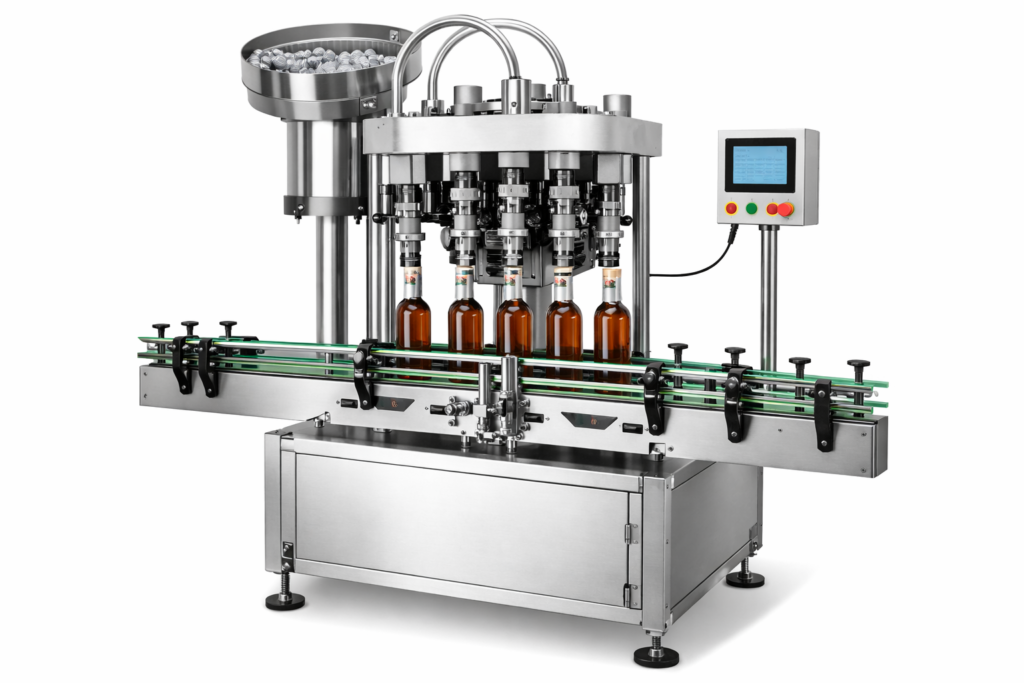
What is a Roll-On Capping Machine? Uses & Buying Guide Introduction In industries where bottles require tamper-proof and secure sealing, a Roll-On Capping Machine is widely used. It is especially popular for sealing aluminum caps on bottles such as liquor, pharmaceuticals, and edible oils. This machine ensures tight, leak-proof, and tamper-evident closures, making it essential for quality packaging. What is a Roll-On Capping Machine? A closing machine that places a deformable capsule over the mouth of a rigid container, before rolling the capsule to form a thread and securing the capsule to the container. Instead of pre-threaded caps, the machine shapes the cap around the bottle neck, ensuring a perfect fit. How Does it Work? Bottle enters the machine on a conveyor Aluminum cap is placed on the bottle Rollers apply pressure and rotate Threads are formed on the cap Cap is tightly sealed onto the bottle This creates a tamper-proof and secure seal. Uses These machines are widely used in: Beverage Industry – Liquor, wine Edible Oil Industry Pharmaceuticals – Syrup bottles Cosmetics – Oils and serums Chemical Industry Types of Roll-On Capping Machines 1. Semi-Automatic ROPP Machine Requires manual bottle placement Suitable for small-scale businesses 2. Automatic Machine Fully automated process High-speed production 3. Inline Capping Machine Integrated with filling line Ideal for large-scale industries Key Factors to Consider Before Buying a Pre-Owned Screw Capping Machine Factor What to Check Machine Condition Check capping heads, motor, and belts Cap Compatibility Suitable for cap size and type Bottle Compatibility Works with required bottle shapes and sizes Torque Control Adjustable and consistent tightening Production Speed Bottles per minute (BPM) Automation Level Semi-auto or automatic Maintenance History Service records and past usage Spare Parts Availability Easily available parts in India Power Consumption Efficiency of machine Seller Credibility Buy from verified and trusted sellers Final Thoughts A roll-on capping machine is essential for industries requiring tamper-proof and secure bottle sealing. Choosing the right machine—especially a reliable used one—can improve efficiency and product quality. Looking to Buy or Sell a Pre-Owned Machine?​ If you are planning to buy or sell a Roll-On Capping Machine, SurplusPack helps you connect with genuine buyers and sellers. Want to Buy a Machine? submit your requirement Want to Sell Your Machine? List your equipment FAQs What are the common problems with packing machines? Common problems with packing machines include sealing issues, inconsistent filling, machine jams, wear and tear, and improper calibration affecting performance. How does a packaging machine work? A packaging machine works by automatically filling, sealing, and enclosing products into containers or packages using mechanical and controlled processes. How does the filling machine work? A filling machine works by measuring and dispensing a specific quantity of product into containers using controlled mechanisms like volume, weight, or flow. Common problems with packing machines include sealing issues, inconsistent filling, machine jams, wear and tear, and improper calibration affecting performance. A packaging machine works by automatically filling, sealing, and enclosing products into containers or packages using mechanical and controlled processes. A filling machine works by measuring and dispensing a specific quantity of product into containers using controlled mechanisms like volume, weight, or flow.

Roll-on Capping Machine Read More »

Crown Capping Machine

Crown Capping Machine

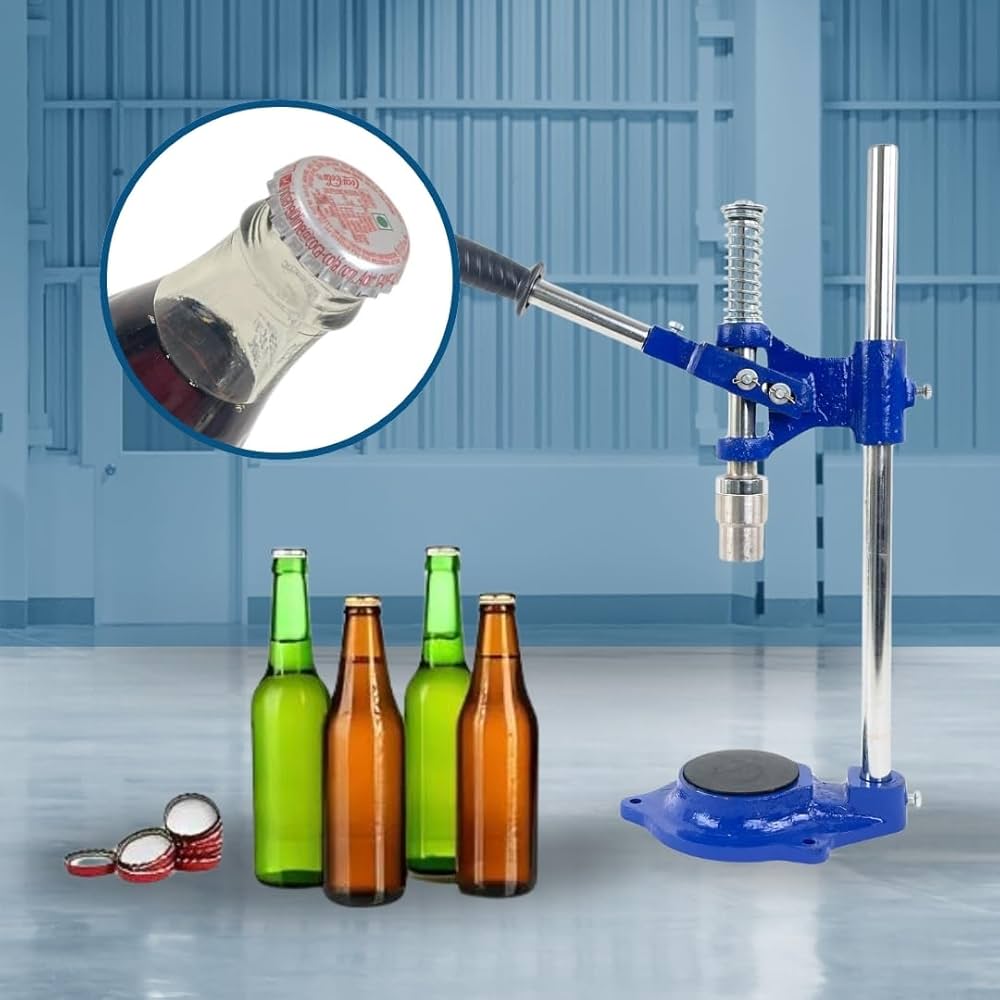
Crown Capping Machine: Complete Guide for Bottle Sealing Introduction A Crown Capping Machine is a packaging machine used to seal bottles especially glass bottles with crown caps (metal caps with a corrugated edge). It ensures a tight and secure seal, protecting the contents from leakage, contamination, and loss of carbonation. Crown capping is widely used in industries where product freshness and airtight sealing are critical, such as beverages and pharmaceuticals. What is a Crown Capping Machine? A crown capper is a closing machine designed to place a pre-formed metal crown cap over the mouth of a rigid container and securely crimp it onto the bottle neck. Using mechanical force, the machine presses the cap and folds its edges around the bottle lip, creating a strong, airtight, and tamper-evident seal. How Does the Machine Work? The working process includes: Bottle Placement – Filled bottles are positioned manually or via conveyorCap Feeding – Crown caps are placed or fed automaticallyCapping Process – The machine presses and crimps the cap onto the bottleSealing – A tight, secure seal is formedDischarge – Sealed bottles move to the next stage Uses Beverage Industry– Used for sealing beer, soft drinks, juices, and carbonated beverages Pharmaceutical Industry- Ensures secure sealing of liquid medicines Food Industry- Used for sauces and liquid food products Types Manual Type Hand-operated and suitable for small-scale production Semi-Automatic Type Offers better efficiency and is ideal for medium-scale operations Automatic Type Fully automated with high-speed and consistent output Rotary Type Designed for continuous, high-speed production in large plants Key Factors to Consider Before Buying a Pre-Owned Crown Capping Machine Factor What to Check Why It Matters Bottle Type & Size Glass bottle dimensions Ensures compatibility Cap Type Crown caps (size/type) Required for proper sealing Production Capacity Bottles per hour Matches output needs Automation Level Manual / Semi / Automatic Affects efficiency and cost Capping Pressure Adjustable force Ensures proper sealing Build Quality Stainless steel Durability and hygiene Ease of Operation User-friendly system Reduces errors Maintenance Spare parts availability Minimizes downtime Safety Features Guards, emergency stop Operator safety Space Requirement Machine size Fits production area Why Choose Us Compared to other sealing methods, crown capping offers: Better sealing for carbonated drinksStrong grip and leak-proof closureCost-effective for beverage packagingReliable and widely used technology Looking to Buy or Sell a Pre-Owned Machine?​ At Surpluspack, we simplify the process by connecting you with trusted buyers and sellers of packaging machinery. Want to Buy a Machine? submit your requirement Want to Sell Your Machine? List your equipment FAQs What are the uses of a Crown Capping Machine? Used in beverage, food, and pharmaceutical industries for sealing bottles with crown caps. What are the types of Crown Capping Machines? Manual, semi-automatic, automatic, and rotary crown capping machines. What is the price of a Crown Capping Machine in India? Typically ranges from ₹5,000 to ₹2,50,000+ depending on type and capacity. Which is the cheapest Crown Capping Machine? Manual crown capping machines are the cheapest, starting from ₹5,000–₹15,000. Used in beverage, food, and pharmaceutical industries for sealing bottles with crown caps. Manual, semi-automatic, automatic, and rotary crown capping machines.Typically ranges from ₹5,000 to ₹2,50,000+ depending on type and capacity. Manual crown capping machines are the cheapest, starting from ₹5,000–₹15,000.

Crown Capping Machine Read More »

Press On Lidding Machine

Press On Lidding Machine

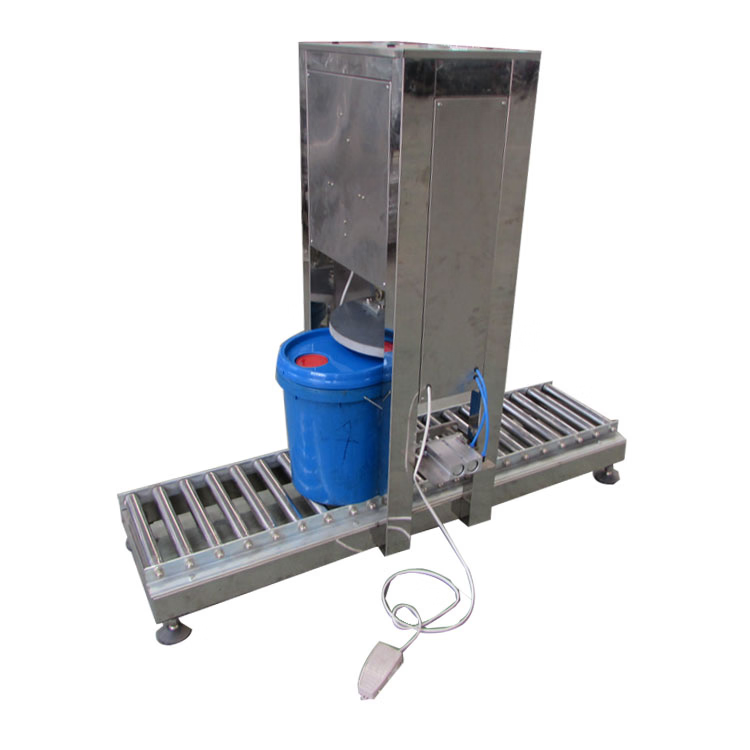
Press-On Lidding Machine: Complete Guide for Secure Container Sealing Introduction A Press-On Lidding Machine is a packaging solution used to seal containers by applying controlled pressure to fix lids securely in place. This method is widely used for plastic, metal, and composite containers, ensuring a tight and reliable seal. It helps protect the contents from contamination, leakage, and external environmental factors while maintaining product quality. What is a Press-On Lidding Machine? A Press-On Lidding Machine is a closing machine designed to place and press lids—usually made of metal, plastic, or other materials—onto rigid containers. It uses mechanical or pneumatic force to ensure the lid fits tightly and securely, without the need for heat or solder, providing a reliable and consistent seal. How Does a Press-On Lidding Machine Work? The working process includes: The process typically includes: Container Feeding – Filled containers move on a conveyorLid Placement – Lids are placed on top of containersPressing Mechanism – Controlled pressure is appliedSealing – Lid is firmly securedDischarge – Sealed containers move to the next stage Uses Food Industry- Used for yogurt cups, butter tubs, sauces, and ready-to-eat products Chemical Industry- For sealing paint containers, lubricants, and chemicals FMCG Industry- Used in packaging creams, powders, and consumer goods Types of Press-On Lidding Machines 1. Manual Press-On Lidding Machine Suitable for small-scale operationsLow investment and simple to use 2. Semi-Automatic Lidding Machine Combines manual handling with automated pressingIdeal for medium production 3. Automatic Press-On Lidding Machine Fully automated with conveyor systemHigh efficiency and output 4. Rotary Lidding Machine High-speed continuous operationUsed in large-scale industries Key Factors to Consider Before Buying Pre-Owned Press-On Lidding Machine Factor What to Check Why It Matters Container Type & Size Shape, diameter, material Ensures proper lid fit Lid Type Press-fit, snap-on lids Required for compatibility Production Capacity Units per hour Matches production needs Automation Level Manual / Semi / Automatic Affects efficiency and cost Pressure Control Adjustable force Prevents loose or damaged lids Build Quality Stainless steel Ensures durability and hygiene Ease of Operation User-friendly controls Reduces errors Maintenance Spare parts availability Minimizes downtime Safety Features Guards, emergency stop Ensures operator safety Space Requirement Machine size Fits your facility layout   Why Choose Press-On Lidding Over Other Methods? Compared to heat or solder sealing, press-on lidding offers: Faster operationLower energy consumptionSimple maintenanceCost-effective solution Looking to Buy or Sell a Pre-Owned Machine?​ At Surpluspack, we connect buyers and sellers of packaging machinery. Want to Buy a Machine? submit your requirement Want to Sell Your Machine? List your equipment FAQs Where is a Press-On Lidding Machine used? It is widely used in industries such as food & beverages, chemicals, paints, cosmetics, and pharmaceuticals for leak-proof packaging. What types of Press-On Lidding Machines are available? Common types include manual, semi-automatic, and fully automatic machines depending on production requirements and automation level. Is the machine suitable for integration with production lines? Yes, press-on lidding machines can be integrated with filling, capping, and conveyor systems for a complete automated packaging line. What are the key benefits of using this machine? It improves sealing accuracy, increases production speed, reduces labor cost, and ensures consistent packaging quality. It is widely used in industries such as food & beverages, chemicals, paints, cosmetics, and pharmaceuticals for leak-proof packaging.Common types include manual, semi-automatic, and fully automatic machines depending on production requirements and automation level.Yes, press-on lidding machines can be integrated with filling, capping, and conveyor systems for a complete automated packaging line. It improves sealing accuracy, increases production speed, reduces labor cost, and ensures consistent packaging quality.

Press On Lidding Machine Read More »

plugging machine

(Corking)Plugging Machine

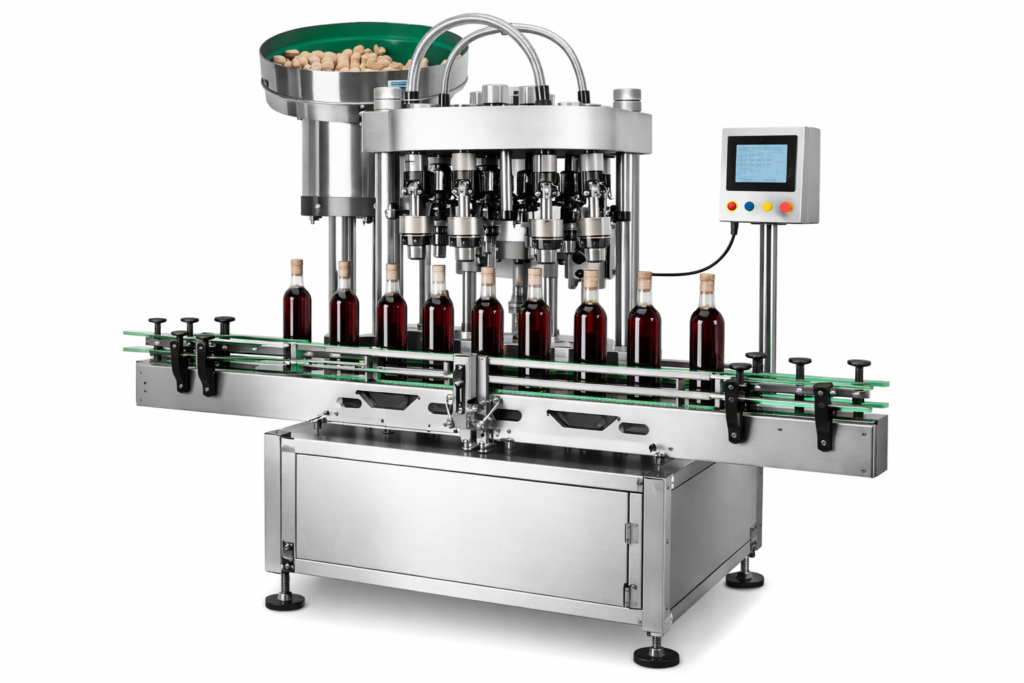
What is a (Corking) Plugging Machine? Uses & Buying Guide Introduction In the world of premium spirits, fine oils, and specialized pharmaceuticals, a screw cap isn’t always the right fit. When you need a “plug” seal—whether it’s a traditional wine cork, a plastic T-top, or a rubber stopper—you need a Corking or Plugging Machine. These machines provide the high-force, vertical “interference fit” required to ensure a bottle is airtight and leak-proof without the need for threads. What is a (Corking) Plugging Machine? A closing machine which pushes a plug or cork into the mouth of a rigid container. It ensures that the closure is tight, secure, and consistent, preventing leakage and contamination. How It Works: The “Squeeze and Press” The process depends on whether you are using a compressible material (like cork) or a rigid plug: Selection & Orientation: Corks or plugs are fed from a hopper into a “chute” that aligns them perfectly upright. Compression (For Corks): If using natural or synthetic cork, the machine uses “jaws” to compress the diameter of the cork so it is smaller than the bottle neck. Insertion: A plunger (piston) drives the plug or compressed cork vertically into the neck of the bottle. Expansion: Once inside, the cork expands against the glass walls, creating a high-pressure seal that can withstand internal carbonation or long-term aging. Key Applications Wine & Spirits: Traditional natural corks, synthetic corks, and “T-top” tasting corks. Pharmaceuticals: Rubber stoppers for glass vials and plastic orifice reducers for dropper bottles. Cosmetics: Decorative plugs for perfume bottles and oil dispensers. Chemicals: Internal safety plugs used under a secondary screw cap. Choosing the Right Technology   Machine Type Best For… Key Feature Manual Floor Corker Small wineries & craft spirits Long-lever arm for manual mechanical advantage. Semi-Auto Plugging Machine Lab work & small batch cosmetics Foot-pedal operated; handles T-tops and plastic plugs easily. Vacuum Corker High-end wine production Pulls oxygen out of the bottle neck before inserting the cork to prevent oxidation. Rotary Plugger Industrial scale Pharma/FMCG High-speed continuous motion for thousands of bottles per hour. Critical Limitations to Considere Bottle Neck Tolerance: Since these machines rely on a “friction fit,” your bottle glass quality must be consistent. If the neck is 1mm too wide, it leaks; 1mm too narrow, and the glass might shatter under the pressure. Material Fragility: Natural cork can “dust” or break if the compression jaws are not perfectly smooth. Internal Pressure: If you are bottling a liquid that expands (like wine in heat), you must calibrate the “headspace” (the air gap) perfectly, or the plug will eventually pop out. The “SurplusPack” Buying Guide for Pre-Owned Units A used corker is a fantastic investment, but only if the “contact parts” are in top shape. Check these four areas before buying: The Compression Jaws: Look inside the “iris” or jaws. If they are scored, scratched, or rusted, they will tear your corks. Stainless steel or high-density nylon jaws are preferred. The Plunger Alignment: Ensure the vertical rod (the plunger) hits the exact center of the bottle every time. Even a 2mm offset can result in broken bottle necks. Vacuum Functionality: If the machine is advertised as a “Vacuum Corker,” verify that the pump holds pressure. This is essential for shelf-stable beverages. “T-Top” vs. “Straight” Capability: Does the machine handle “headless” corks (that go flush with the glass) or “T-tops” (that sit on top)? Converting one to the other can be expensive, so buy the one that fits your current closure. Final Thoughts Whether you’re sealing a vintage Merlot or a medicinal syrup, the integrity of the plug is what keeps your product fresh. While manual units are iconic for craft brands, an Automatic Plugging Machine is the only way to maintain the speed and hygiene required for modern commercial lines. Looking to Buy or Sell a Pre-Owned Machine? If you are planning to buy or sell a Plugging or Corking Machine, SurplusPack helps you connect with genuine buyers and sellers. Want to Buy a Machine? submit your requirement Want to Sell Your Machine? List your equipment FAQs What is the use of corking/ plugging machine? It is used to insert corks or plugs into bottles for secure and leak-proof sealing. What is a plugging machine? A plugging machine is used to automatically insert plugs into bottles with consistent pressure. What are the benefits of using a plugging machine? It ensures secure sealing, faster production, and reduced manual effort. It is used to insert corks or plugs into bottles for secure and leak-proof sealing. A plugging machine is used to automatically insert plugs into bottles with consistent pressure. It ensures secure sealing, faster production, and reduced manual effort.

(Corking)Plugging Machine Read More »